

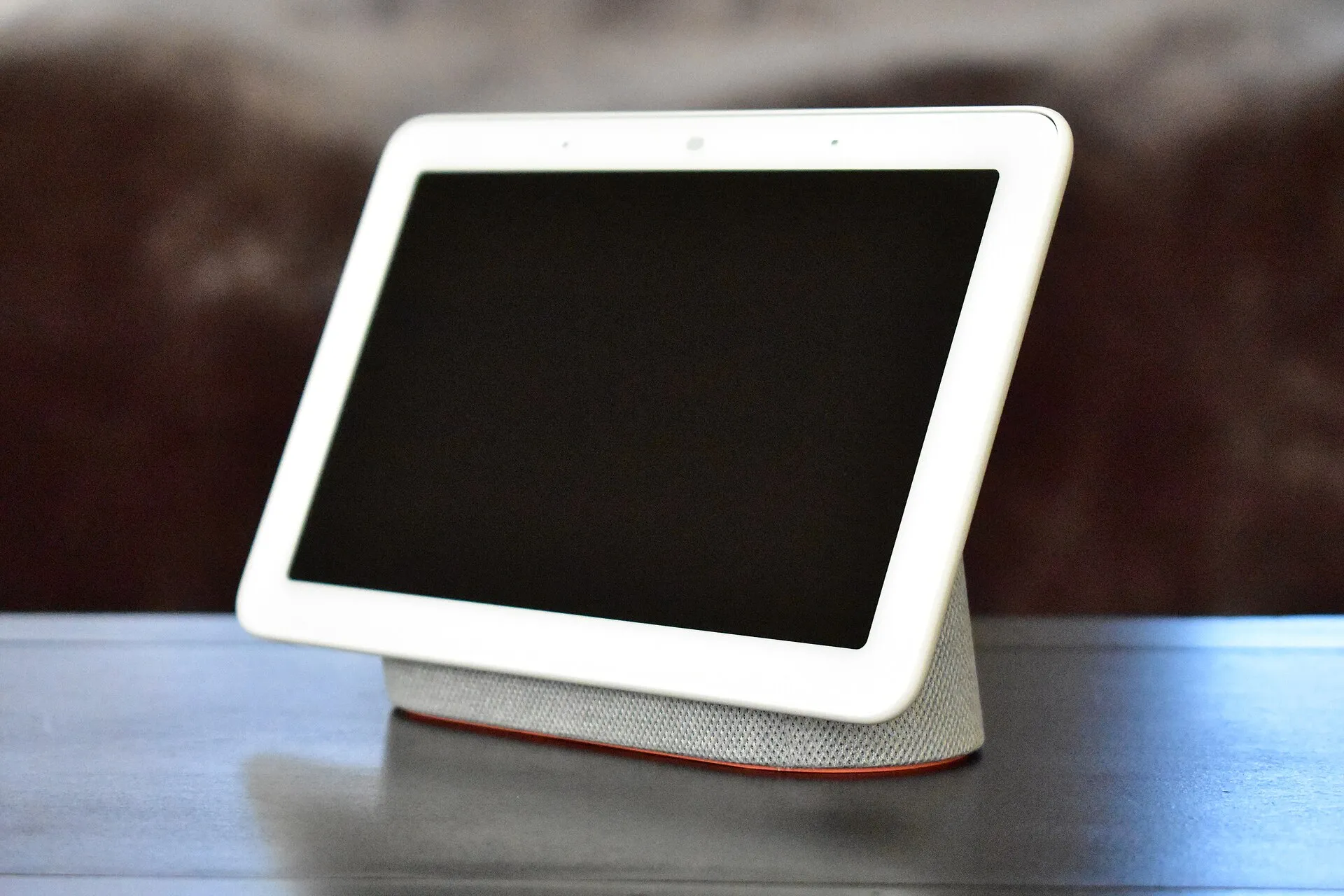
Apple Explains Why Its New Smart Display Goes Dumb the Moment Your iPhone Leaves the Room
Apple says HomeView needs a paired iPhone or iPad nearby to show personal data, for privacy reasons; without it the $299 display only handles basic tasks.
Apple says HomeView needs a paired iPhone or iPad nearby to show personal data, for privacy reasons; without it the $299 display only handles basic tasks.

Reuters reports Meta employees flagged Muse for showing unrequested bank balances and reading Signal messages. Meta calls the incidents isolated.

Relabelling banned surveillance chips under another brand stops working. What to do about the cheap camera you already own is a separate question.

Capcom's own notice lists more than emails: account creation and last login times, login counts and the IP address used last. 43 records also held date of birth, gender and country.
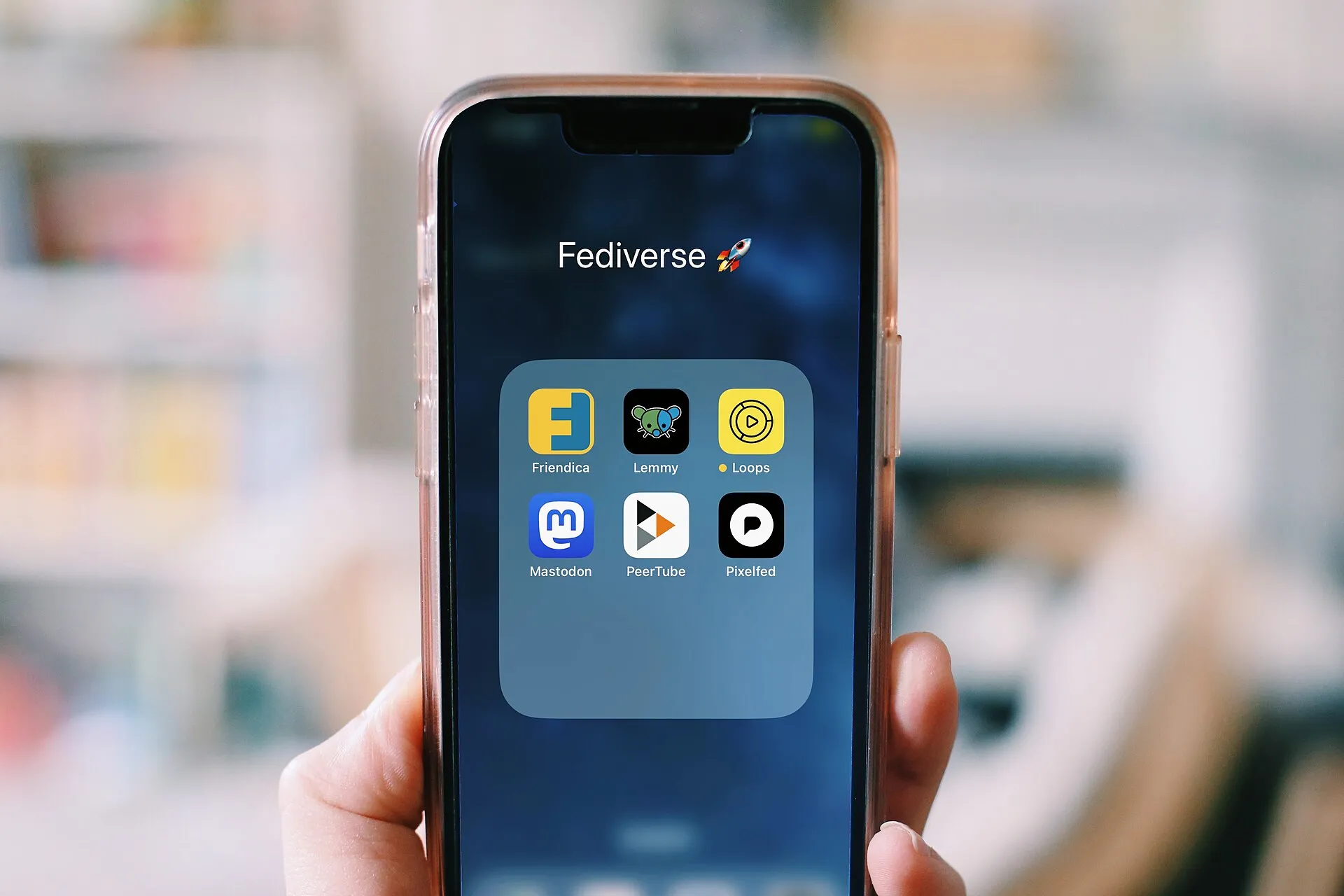
Wired traced more than 400 connected apps and domains that hid sexual and violent deepfake tools behind harmless fronts. Apple removed 19 apps and says they changed after approval.

GM will pay $220 million to settle a 36-state lawsuit over selling drivers' location and driving data without clear consent. Sam Reyes says he'd switch brands over how it handled disclosure, not the fine itself.

Ford pledges never to sell driving data to brokers, days after GM paid $220M for doing exactly that. Sam Reyes says a press release is not an audit.

Wyden and Markey gave Meta until November 26 to answer how its AI glasses handle secret recording, the indicator light, and face blurring. Sam would still wear them anyway.

From mid-December, messages in large public Discord servers could appear in Google. Here is what changes, who is affected and how to opt out.

OpenAI's new iCloud Mail and Calendar plugins let ChatGPT search email and update events. They need an app-specific password and can change your data.
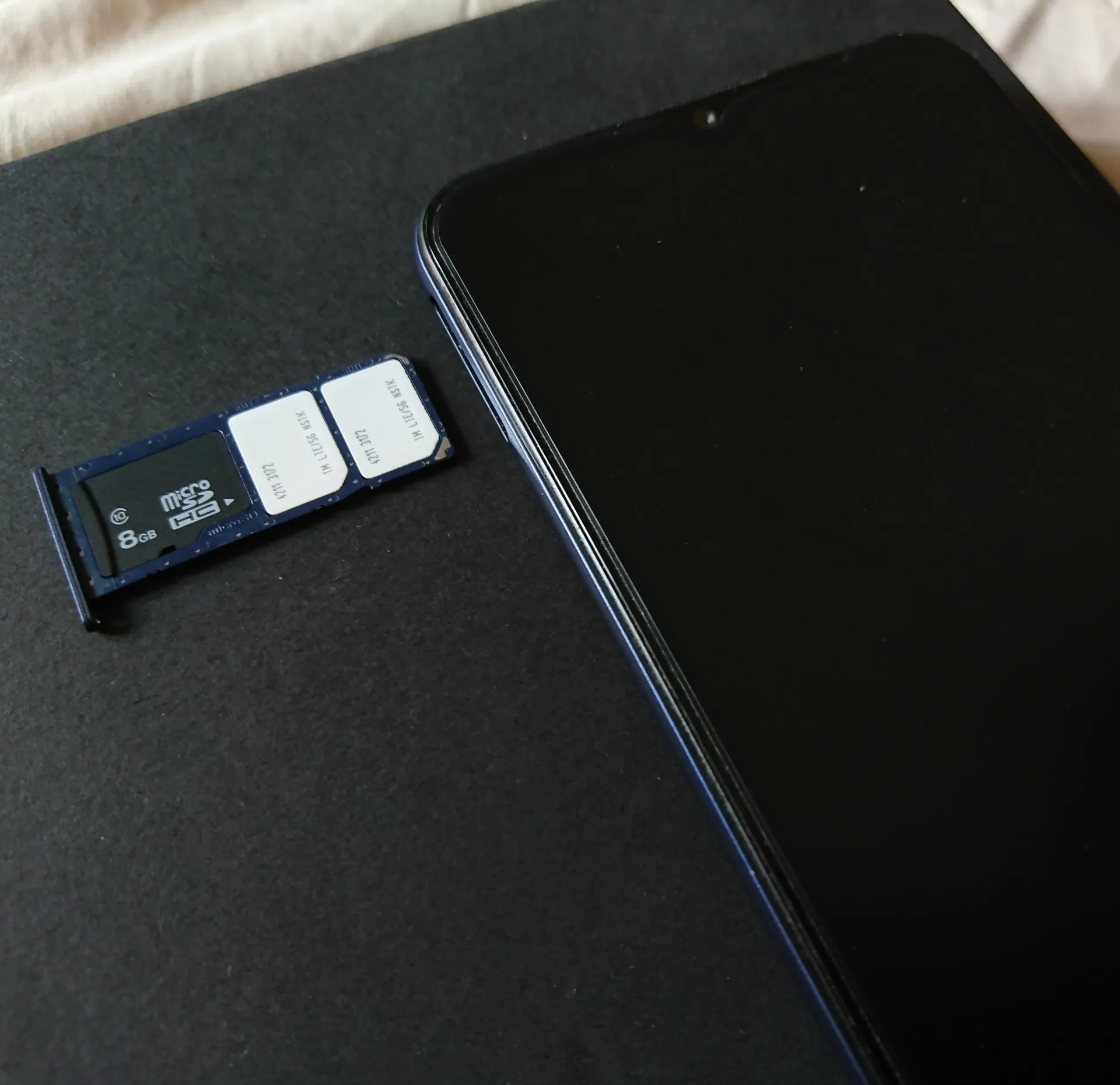
Android verifies your SIM number and attaches it to every Google account on the phone, work accounts included. It is on by default and can be turned off, but numbers already attached stay.
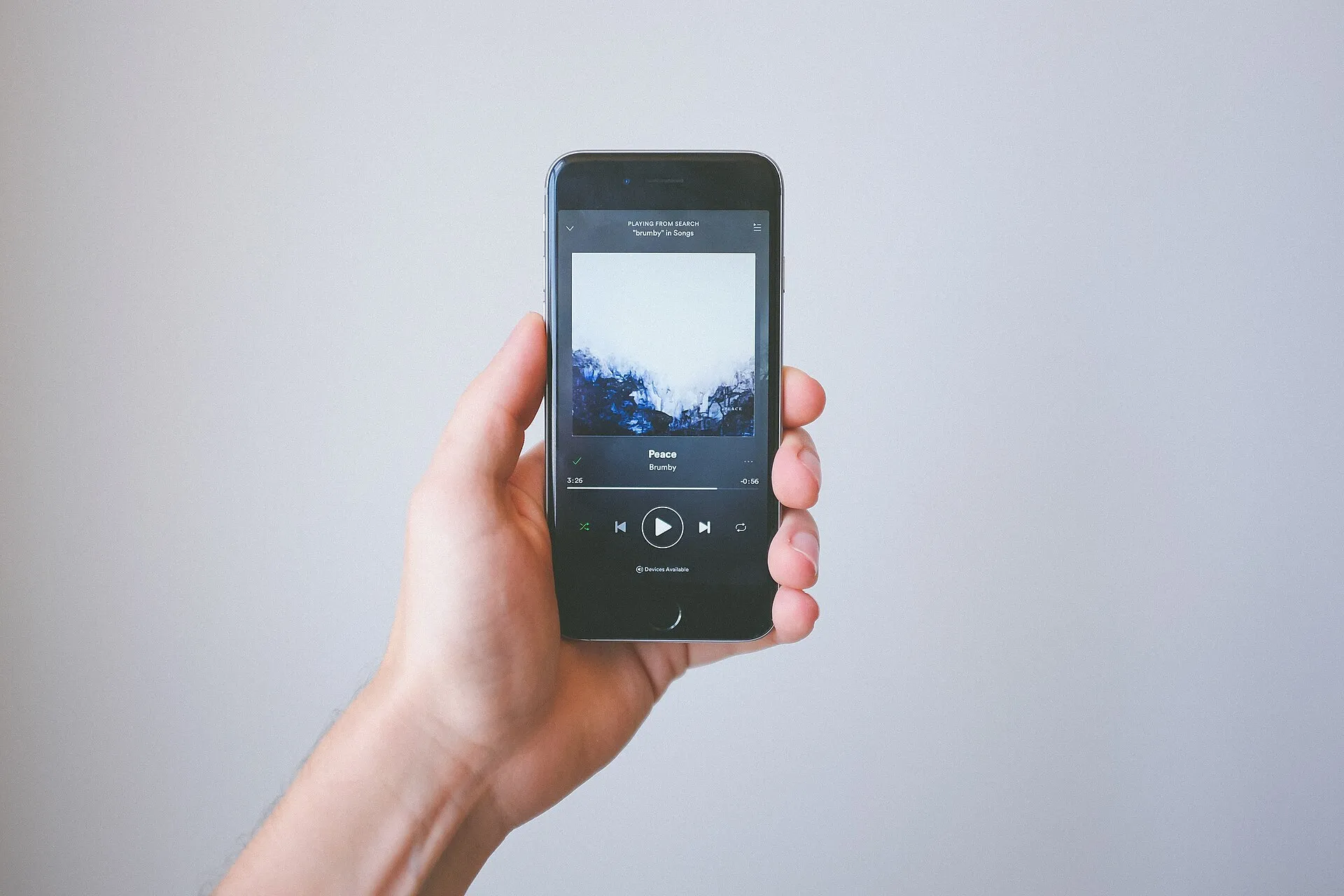
Spotify may ask Family plan members to scan a QR code to prove they share the manager's address. Miss the seven-day window and you can be locked out for a year.
Since October 16, Google's privacy policy allows ads personalized from Gmail, Drive and Photos data, but only for people who connected those apps to its AI features.

Northeastern researchers found suspicious traffic from Samsung, Vizio and Roku sets after opting out of content tracking. Earlier work found the opposite.

Anthropic launched Claude Duet, a background AI agent for iOS and Android, as a US waitlist preview planned for the $20 Pro plan.

Walmart now lets AI assistants like ChatGPT, Gemini and Meta Muse shop and check out for customers, with spending limits and approvals arriving in November.
A security firm found more than 6,800 shared Meta Muse chats through public DNS records, some with loan applications and fraud alerts. Meta has paused sharing.

Owners found recordings of ordinary conversations they never triggered. Meta says it is fixed and will not say what caused it. That is not an explanation.
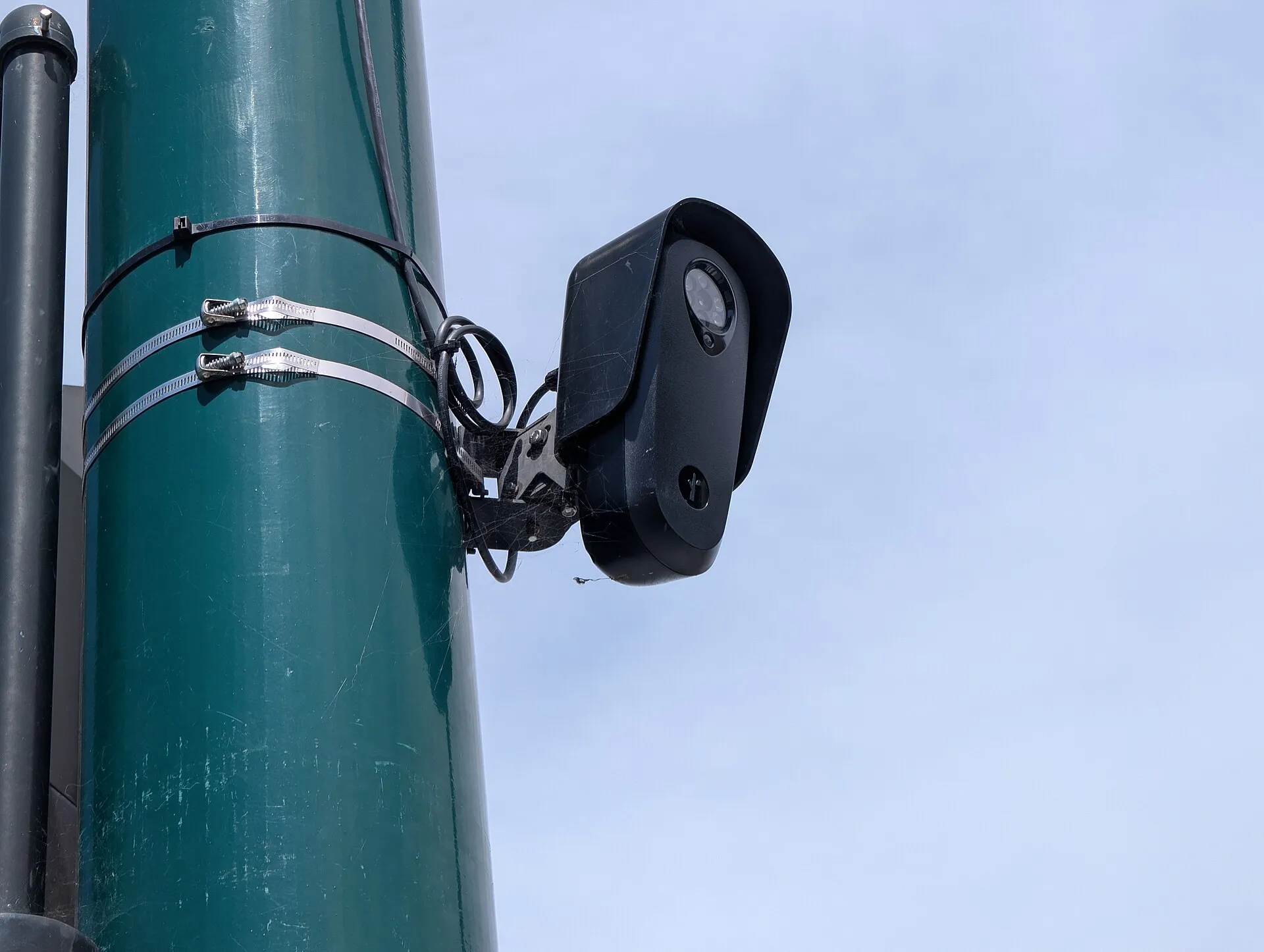
A free layer marks known surveillance cameras and plate readers. It is not a radar detector: these cameras do not write tickets, they write records.

Plex added movie ticket sales to its app, and Ars Technica says it uses discovery data. My question is whether that data is anonymous and clearly disclosed.
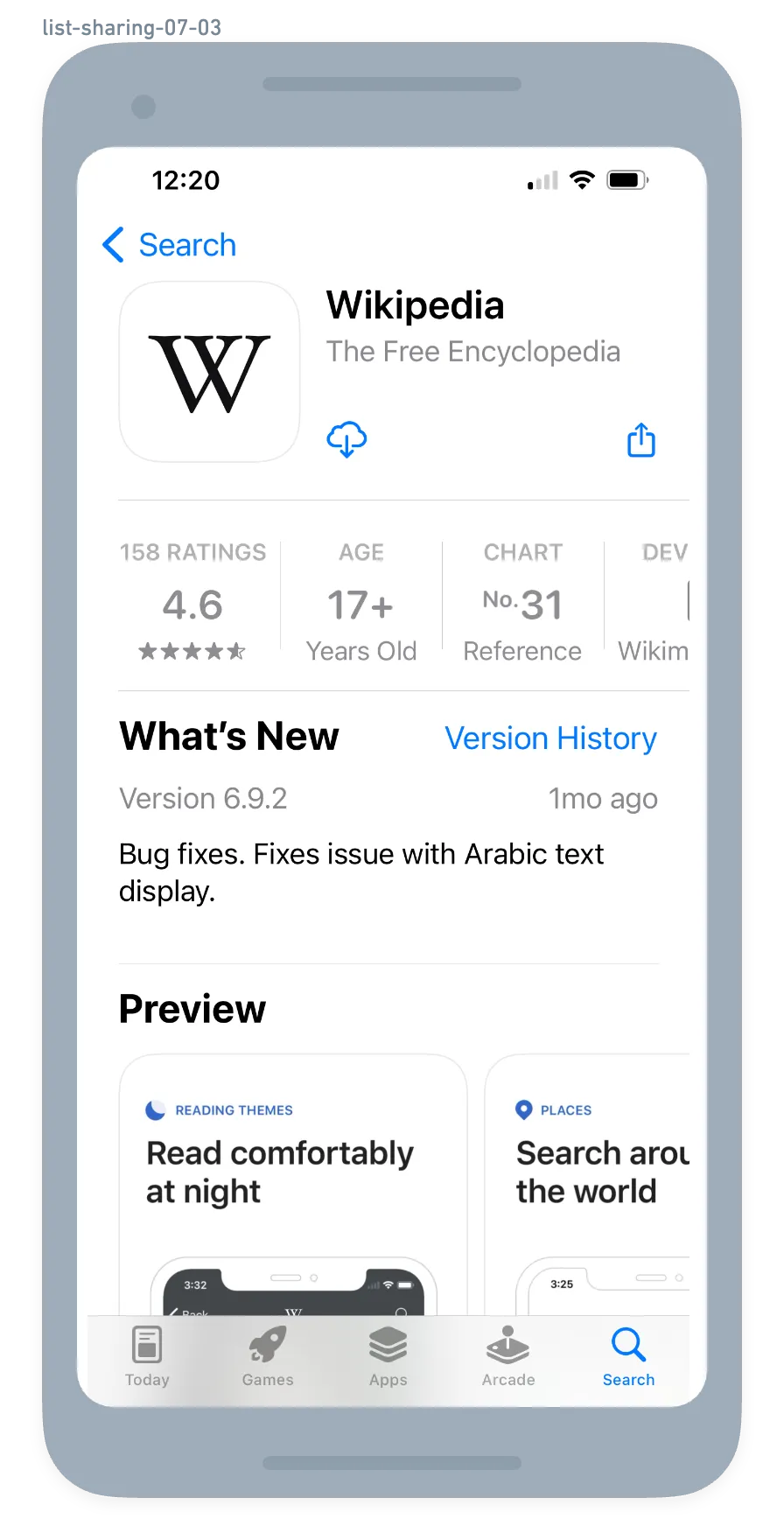
Apple's updated App Review Guidelines name nonconsensual intimate imagery and ban hidden or undocumented app features. A good rule, until it is enforced.

OpenAI's ChatGPT extension can read your open tabs, and its agent can fill forms and send messages. I would not give that to my main accounts yet.
Amazon's Bee listens all day to summarise you, from $74.99 plus a subscription. An app you switch on deliberately does the same job without the always-on microphone.
Citizen Lab found an Israeli ad firm delivering mercenary spyware through ordinary ads, no click needed. My defense was already in place: an ad blocker, which is also what the researchers recommend.
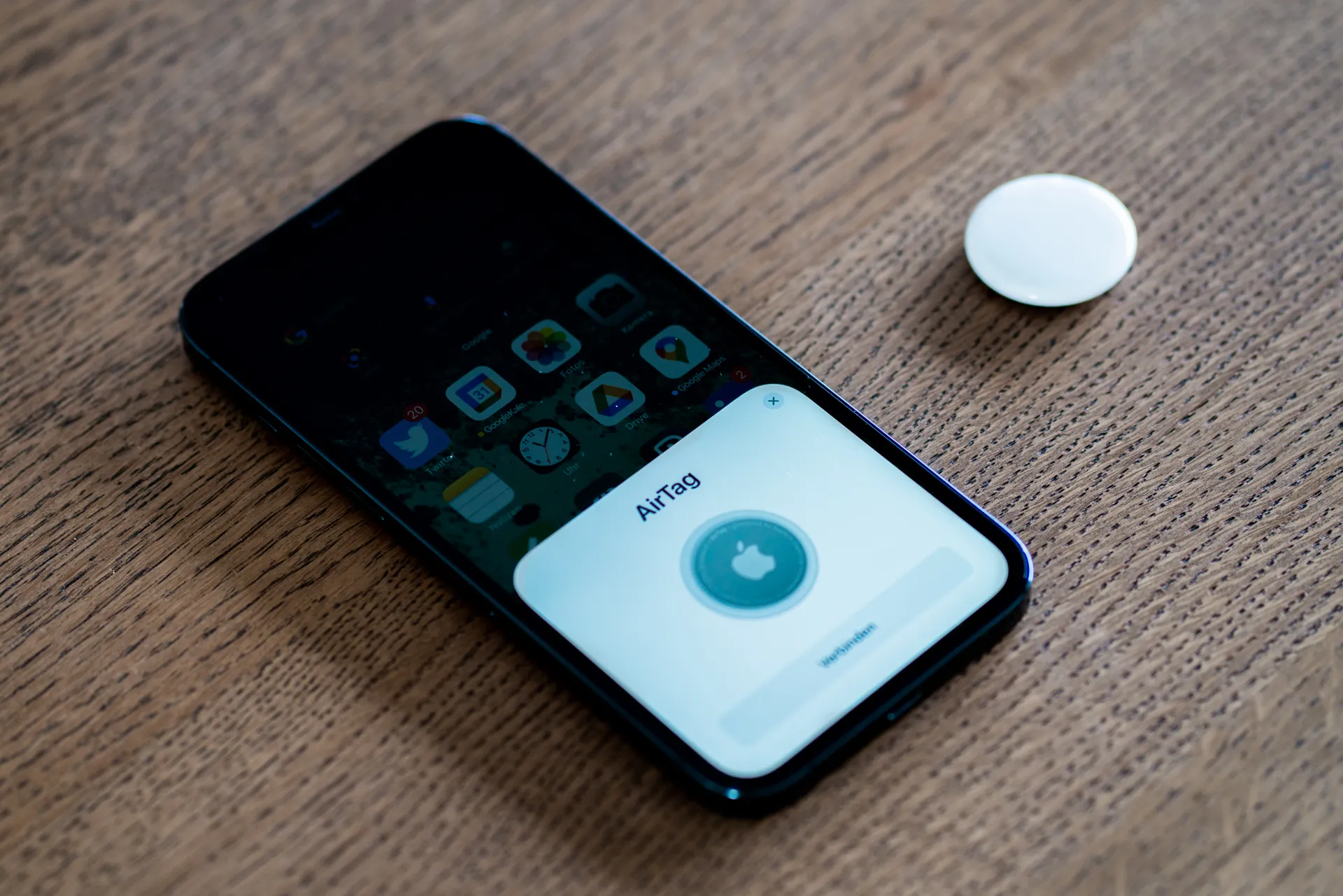
ElevationLab pulled its $9.99 AirTag Silencer after critics said it helps stalkers. It was on sale for about two weeks, and the warning was already on Apple's hardware.

Google is adding an opt-in Gemini scam filter to Android Messages. A useful idea, but its privacy promise comes from Google and cannot be checked yet.
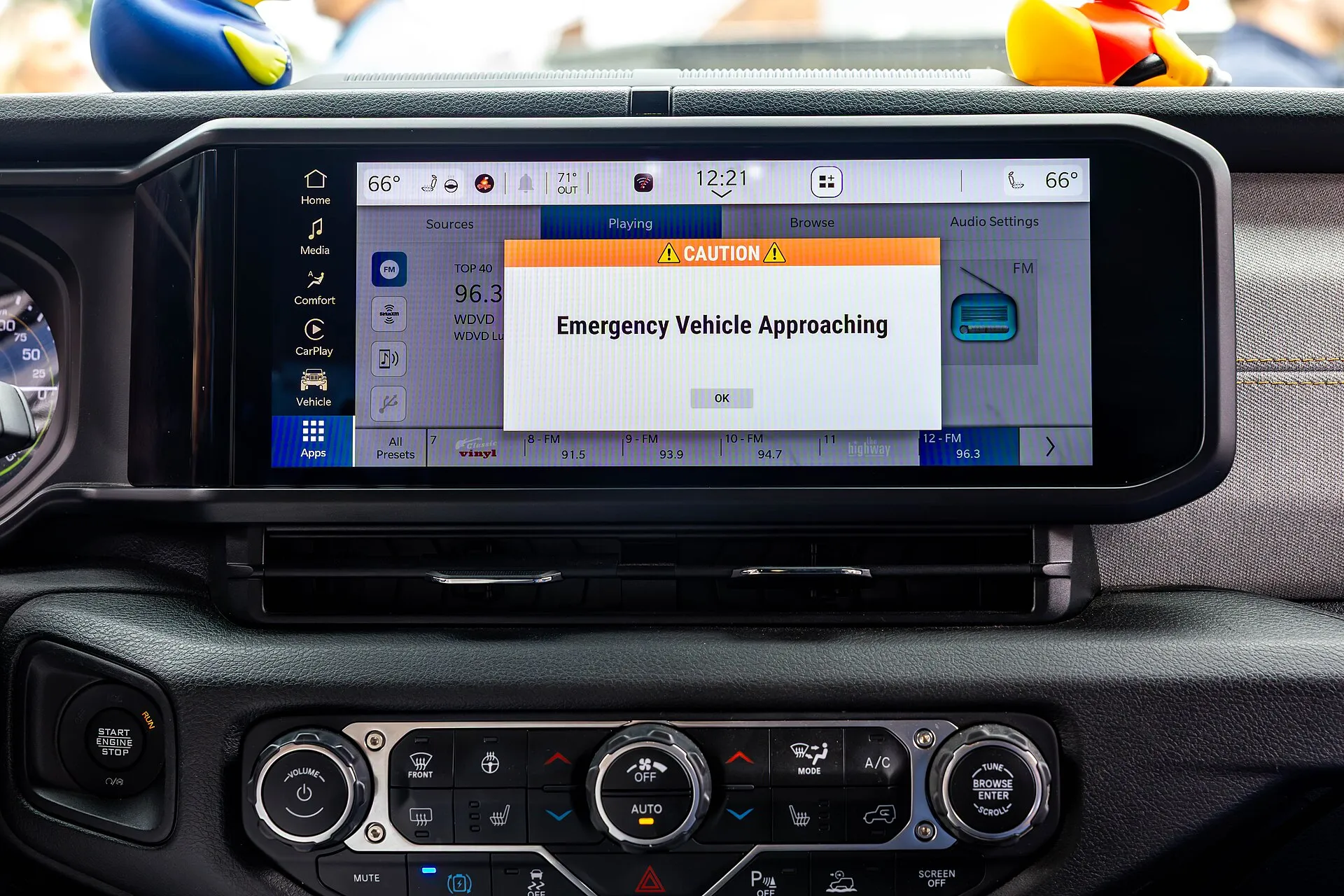
Nineteen of 21 cars tested sent data to third parties. Follow it one step further and it arrives at your insurance premium, which is documented rather than theoretical.

Engadget gave the camera-free Ray-Ban Meta Audio an 8.5, but Meta still stores voice recordings and US users cannot opt out. That trades one privacy problem for another.

Norway fined Microsoft's ad unit Xandr about $9.6 million for using Grindr users' sensitive data without consent. The real question is what data you are willing to give.

Grok Bot can now claim its own email address to sign up for services and contact businesses for you. The guardrails look fine on paper, but AI agents have not earned that trust yet.
OpenAI pitches its Dots agent as the private one, shortly after Meta made the same promise for Muse and fell short. Neither has earned that trust yet.
iOS 27's AI Siri links Messages, Mail, Photos and more to answer cross-app questions. A real upgrade, but the opt-outs are split across three menus.
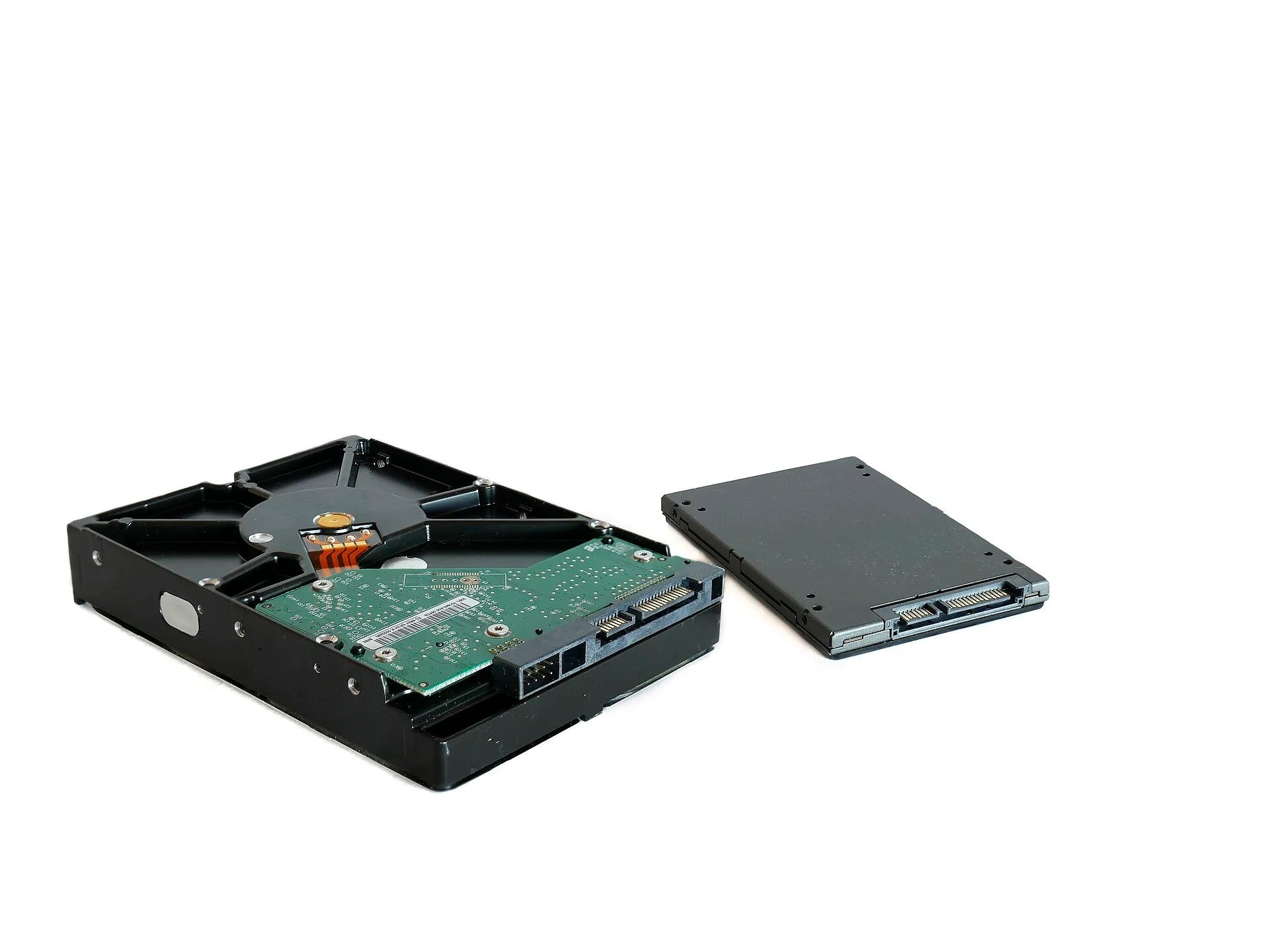
RemoveMacAI deletes the 12GB+ of Apple Intelligence models macOS 27 keeps on disk. It works, but it is third-party and Apple could break it.
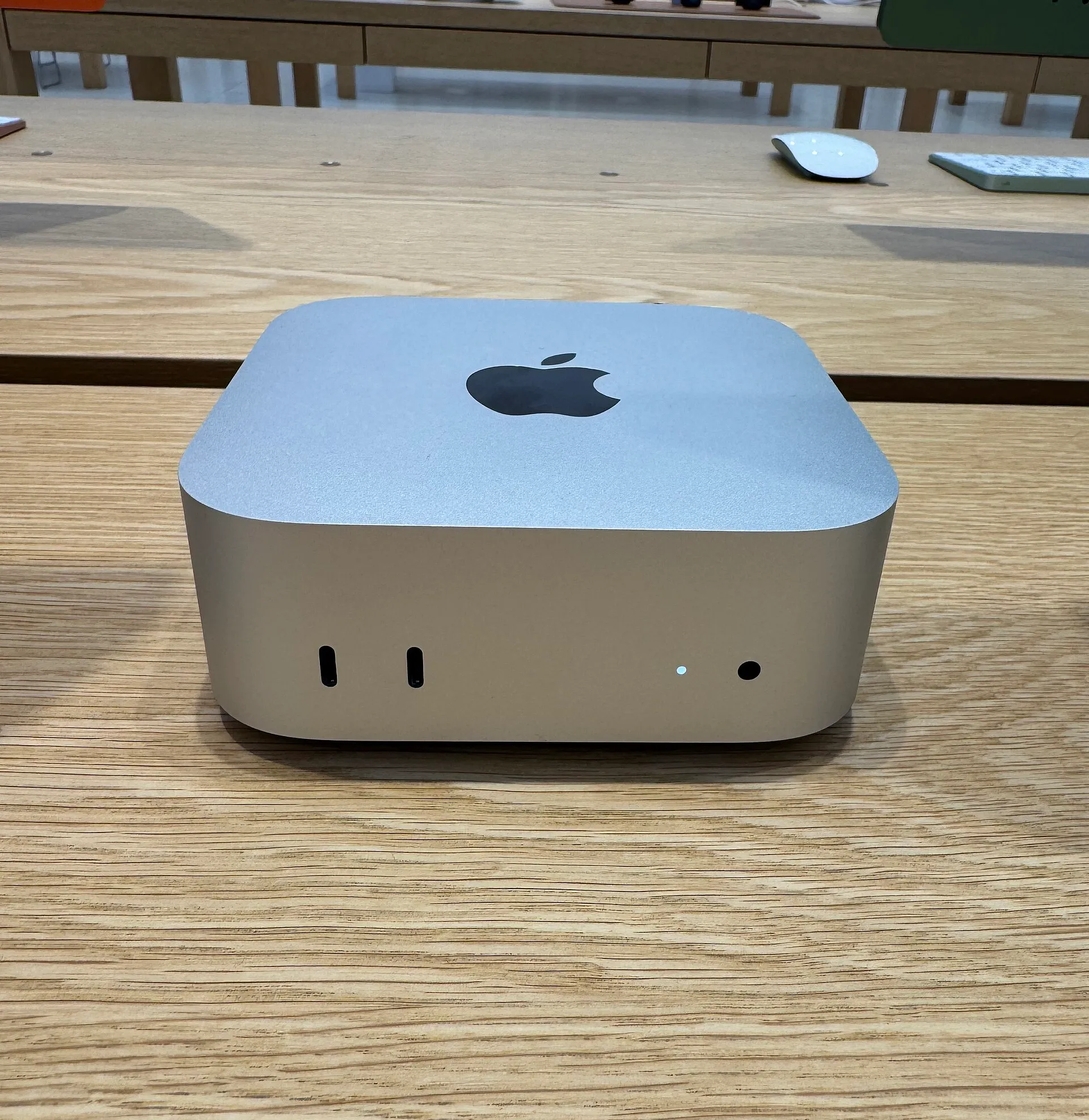
Apple will add extra controls to Full Disk Access on macOS as AI agents get more autonomous. Give an agent a folder, not the whole Mac.