Admin
Meta Muse Turned Private Share Links Into a Public List
Based on reporting from Engadget
This is not the first time an AI chatbot’s share button has exposed what people thought was private, and it will probably not be the last.
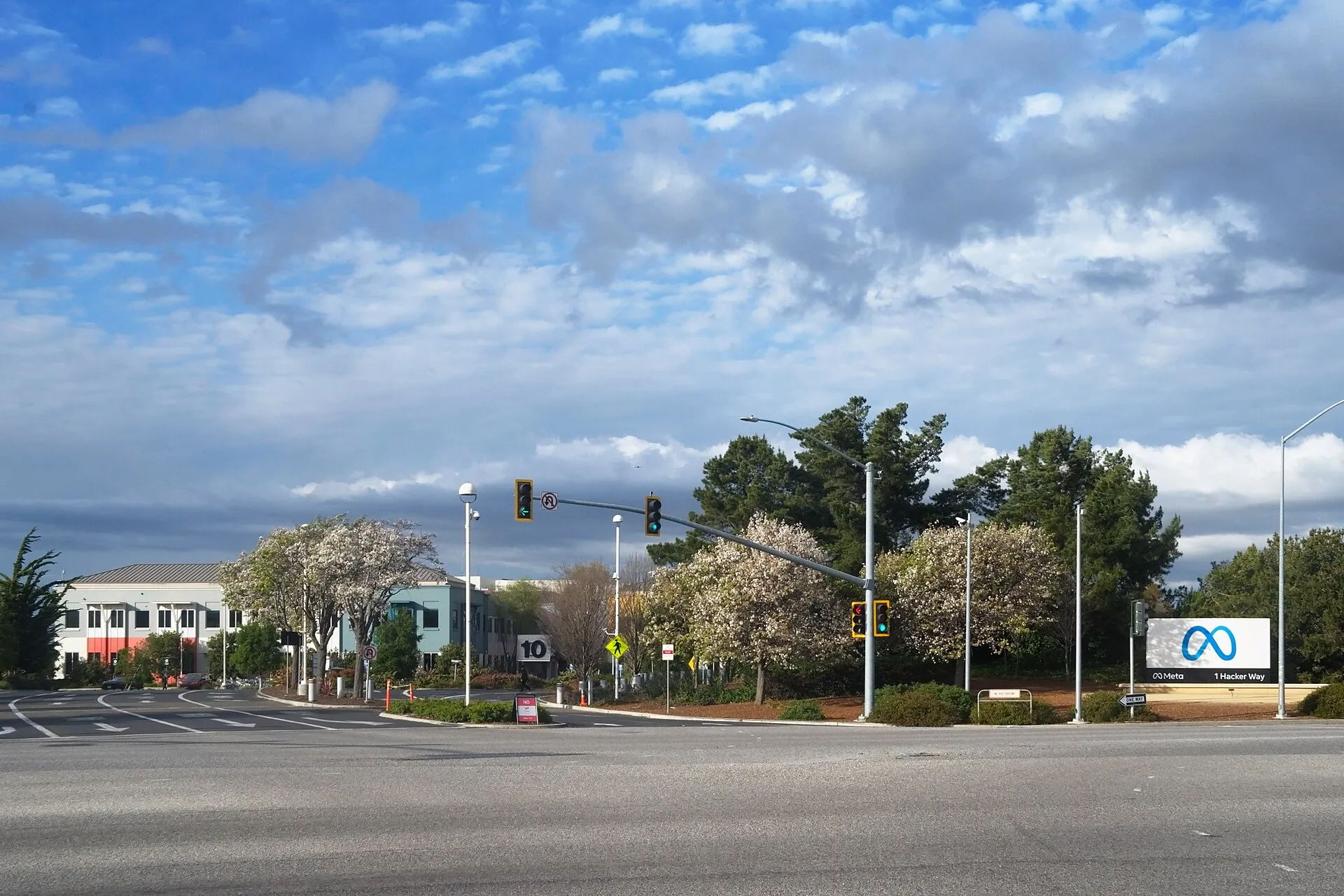
Security firm Claroc found that Meta Muse built the web address of every shared conversation from the conversation’s own title, under a Meta content domain. Those addresses end up in public DNS records, so a single search in a passive DNS service returned more than 6,800 of them. Nothing was guessed or broken into: Claroc opened a few hundred of the links in a logged-out browser.
Most of what it found was harmless. The sensitive part included a candidate’s notes for a confidential call with a frontier AI lab, a small-business loan application, a to-do list with a bank fraud alert and a partial account number, a real-estate investor’s financial report and a company’s vacation calendar for the whole year.
Claroc reported the problem to Meta’s bug bounty program on October 8. Meta paused the feature on October 20, after Ars Technica asked about it, and said it is reviewing how these links can be discovered. The links Claroc checked again no longer open, but the addresses, titles included, stay in passive DNS history.
We have seen this before. In 2025, OpenAI removed an option that let shared ChatGPT conversations appear in search engines, after thousands of them were found indexed by Google. Claroc’s report also mentions shared Grok conversations that showed up in search results.
The problem is also bigger than AI. A lot of private and confidential material, from internal documents to login pages, can be found through Google with a few search operators that limit the results to one site or one file type. The technique even has a name, Google dorking, and it works because someone left a file public and a search engine indexed it. A share link is the same kind of door: once it exists, anyone who knows where to look can walk through it.
Claroc’s advice to companies is to tell employees that a share link makes a conversation publicly viewable. Meta has not said when sharing will return or how the links will change.