Admin
Your Car's App Sends Your Driving Somewhere. The Destination Is Your Insurance Premium
Based on reporting from Engadget
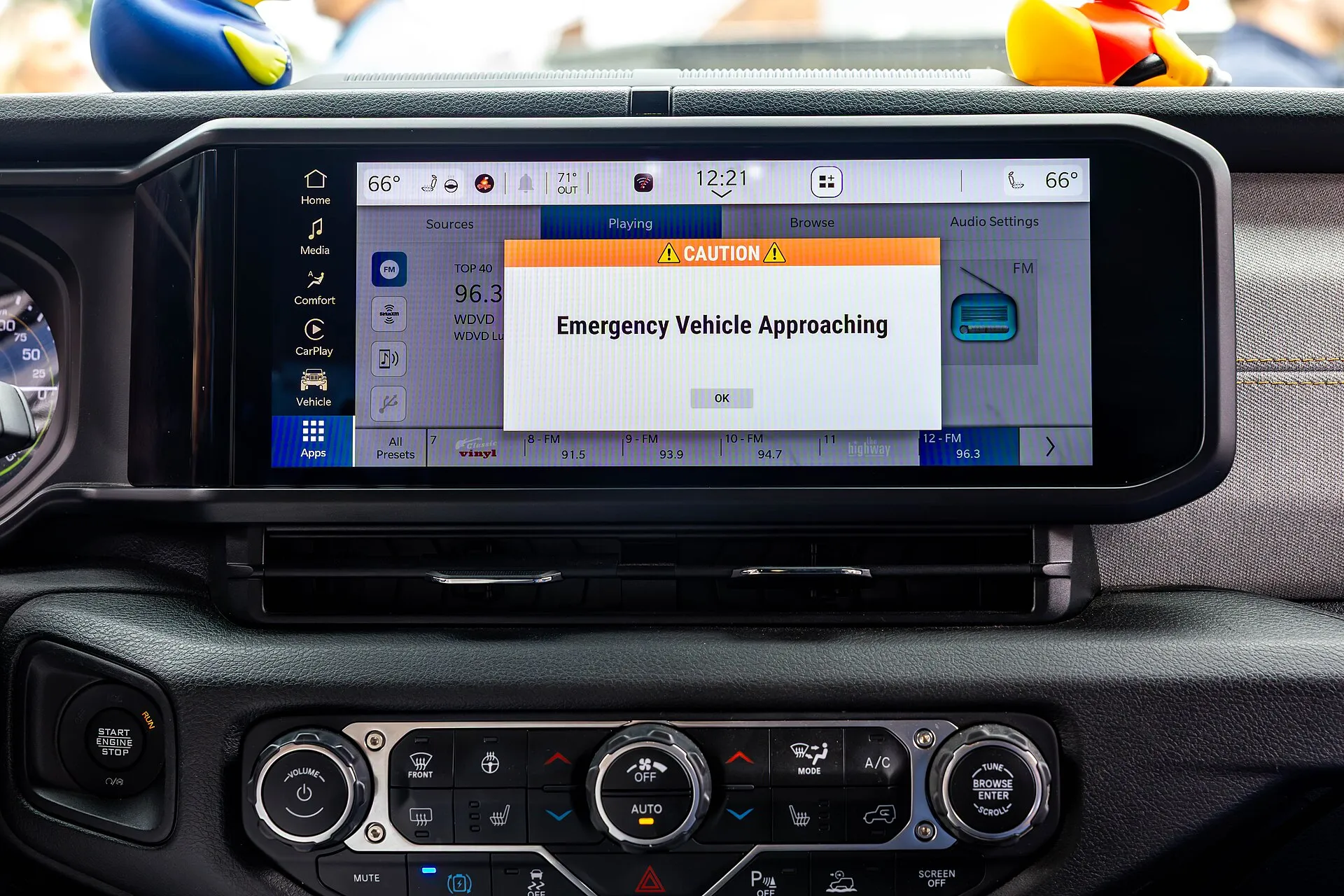
Northeastern University tested 21 modern cars and 30 manufacturer apps with Consumer Reports’ fleet. Nineteen of the 21 cars sent data to at least one third party over Wi-Fi, and 28 of the 30 apps contacted an outside company.
Studies like this usually stop at “cars share data”, which is abstract enough to shrug at. It is worth following the data one step further, to where it turns into money out of your pocket.
That path is documented. General Motors shared OnStar driving behaviour with LexisNexis, which sold risk reports to insurers, and drivers sued after their premiums went up. GM stopped sending that data in 2024 after the reporting and the lawsuits; LexisNexis kept selling the product. Honda, Hyundai and Kia ran comparable programmes. So the question is not whether a stranger knows how hard you brake. It is whether the quote you get next year was written by a company that already did.
What bothers me most is the shape of the deal. You bought the car. You are paying for the car. And the car is working a second job, generating a product that is sold to someone who will use it to charge you more. Being the raw material for a business you are also the customer of is a strange thing to accept quietly.
The usual answer is that you can delete the app and lose features you paid for. That is not a choice, it is a fine for declining.
So, do I buy it? If you are choosing between a car with connected services and one without, knowing this, the older one looks better than it did. If you already own the connected one, open the privacy settings, turn off driving behaviour sharing where it exists, and check what the app loses. Features you never used are a cheap price for leaving that market.