Admin
Four States Sue TP-Link, and the Router Question Is Firmware Support, Not Politics
Based on reporting from Ars Technica
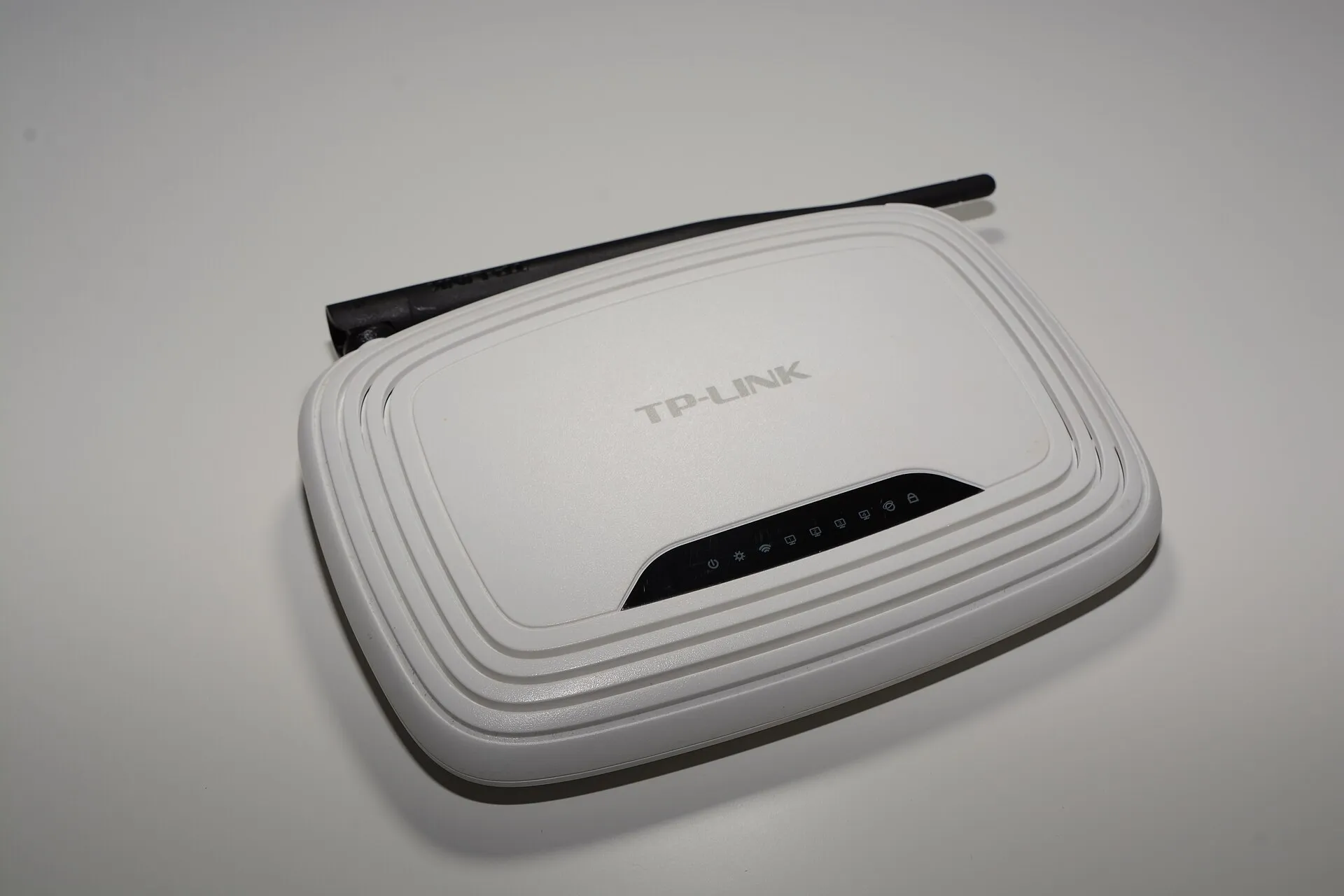
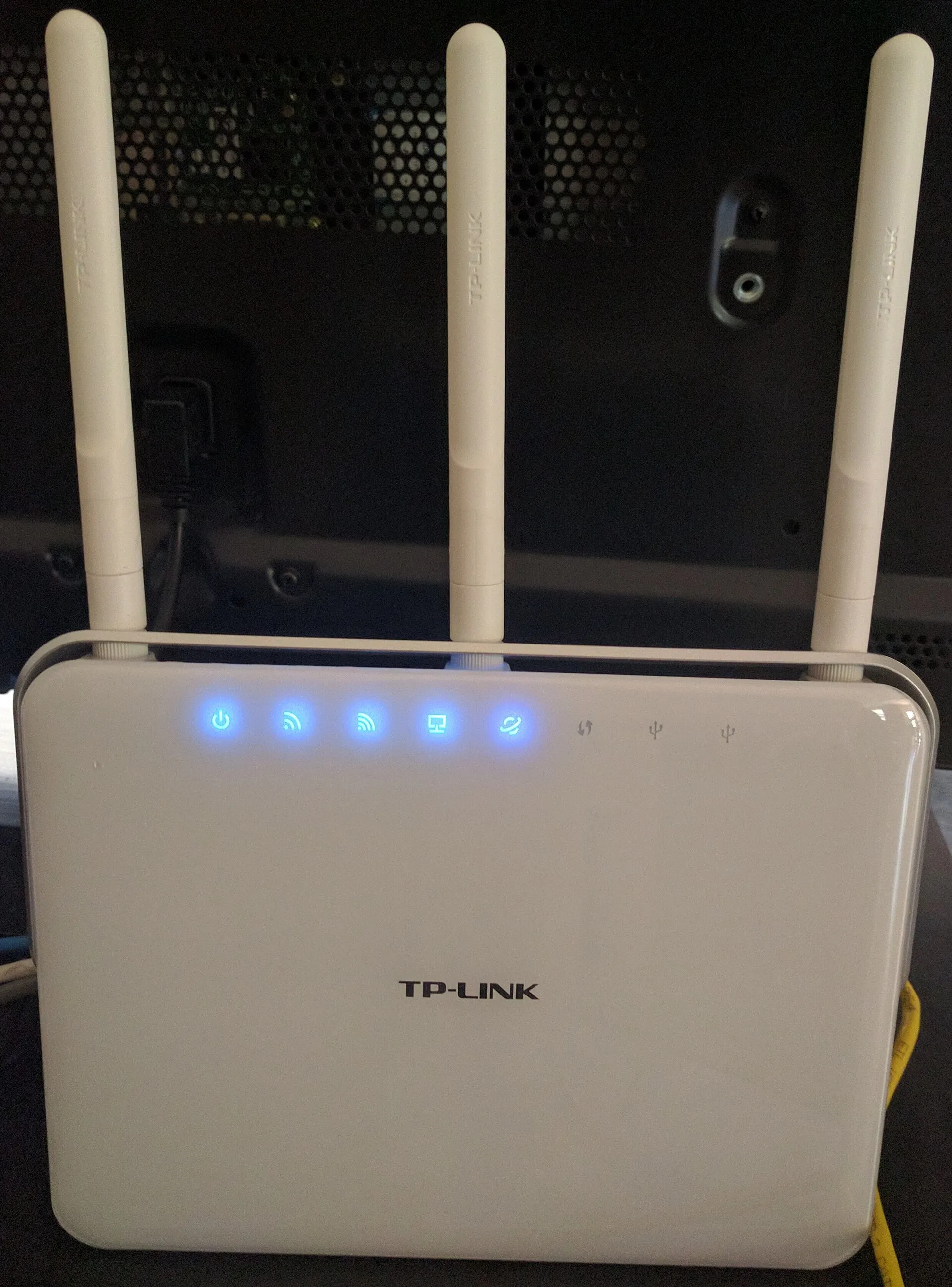
My verdict: I am not replacing my TP-Link routers because of a lawsuit. I would check whether each one still gets security updates.
On October 6, Florida, Iowa, Montana and Nebraska sued TP-Link Systems under their consumer protection laws. The states say the company misled buyers about the security of its routers and about how separate it is from Chinese operations. Nebraska’s complaint ties firmware flaws to Chinese state-linked hacking groups. TP-Link disputes the claims and says it is an independent American company that stores US customer data on servers in the United States. Texas filed a similar suit in February.
The context is a federal ban. In March the FCC added foreign-produced routers to its Covered List, which means new models need conditional approval to be sold. Routers that already have authorization do not have to be replaced. According to Ars Technica, other brands have already won an exception and TP-Link has not.
I will be honest about my own habits. I have never checked the brand of a router before buying one, and most of the routers in my house are TP-Link. I have always used the brand and I do not plan to switch. My reasoning is that I know which sites I visit and what I let onto my network. Unless you are a person of importance, browse risky sites or keep extremely sensitive data on your PC, I see no reason to change. That is my view, and it is a judgment about risk, not a measurement.
There is one part of the complaint that my reasoning does not cover. The Florida filing says some models no longer get automatic updates, and it names the Archer AX21 v1, which TP-Link declared end of life in May 2024. Careful browsing does not patch a router. If yours is on that list, the lawsuit is not the problem. The missing updates are.
So the practical step costs nothing: look up your exact model, check whether it still receives firmware, and update it. Whether the allegations hold up is for a court to decide, and the filings are public. Read them before you decide anything. The sources are linked below.