Admin
TP-Link Offers $1bn to Build Routers in America, and Your Router at Home Is Fine
Based on reporting from Engadget
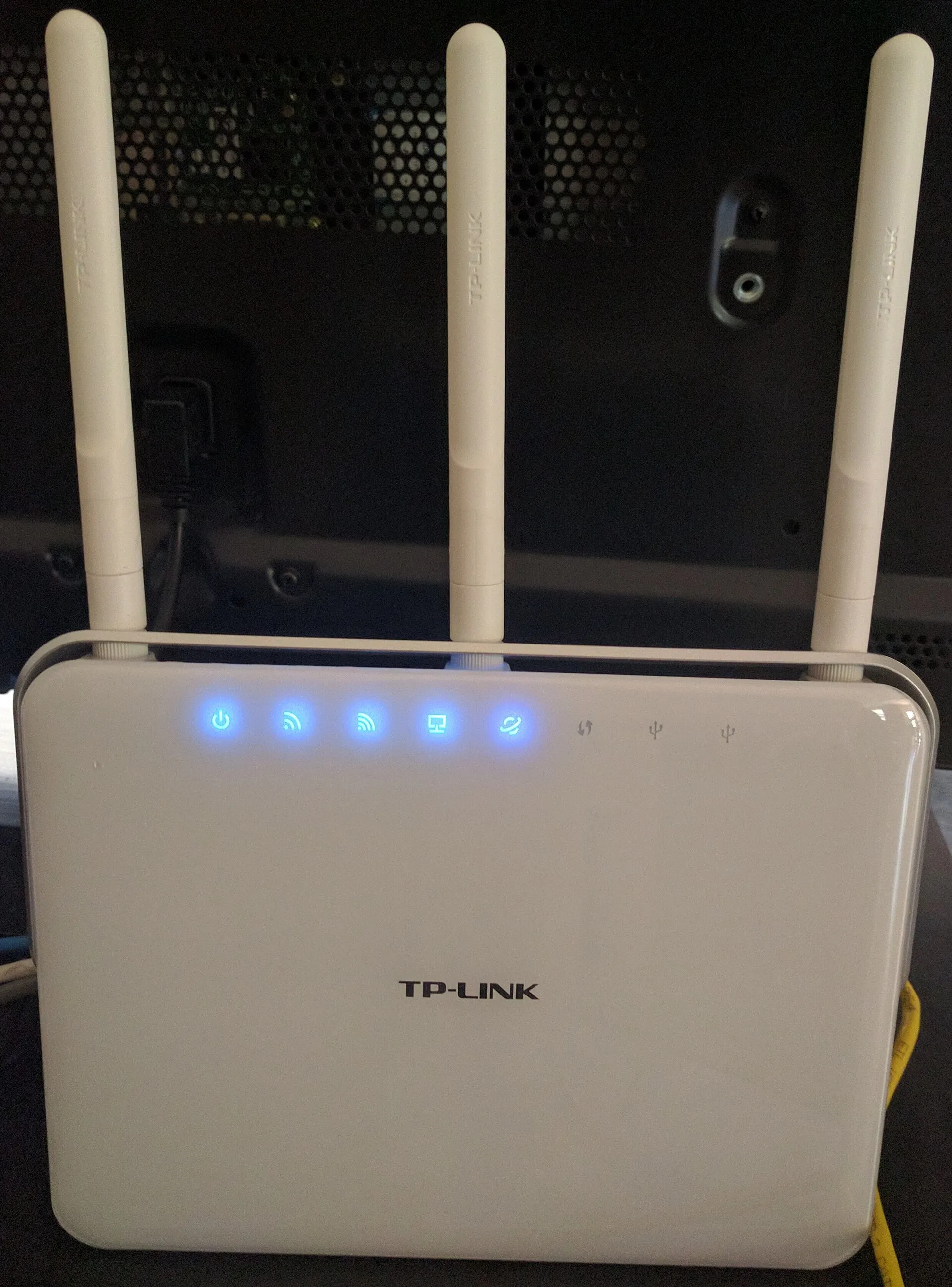
TP-Link has offered to invest a billion dollars assembling its routers in the United States, in exchange for the FCC granting it an exemption from the import ban hanging over the brand on security grounds tied to China.
If you have one of their routers, which plenty of people do, the useful part of this story is the part the headline leaves out. The ban applies to new models seeking FCC authorisation. It is not a switch that turns off the box blinking in your hallway, and nothing about it stops the one you already own from routing packets tomorrow morning.
So my answer is the boring one. I keep using the router I have. If a day comes when it genuinely stops working, I will replace it, the same as I would with any other piece of hardware that dies. This story has been running for months in one form or another and so far the practical consequence for people at home has been zero.
Does the billion dollars make me trust the brand more? No, and I want to be careful about why. Assembling a router in Texas does not answer a question about who writes the firmware, who can push an update to it, or who sees the traffic. Those are the concerns on the table, and a factory address is not a response to any of them. It may well be a reasonable business move, and it is not evidence about the thing people are worried about.
That cuts the other way too. I have not seen proof that these routers are doing anything to anyone, and I am not going to pretend a government listing is the same as a demonstration. What I have is a dispute between a company and a regulator, and a box on my wall that works.
So, do I go and buy a different brand today? No. I would, however, factor this in the next time I am actually buying, because a brand in a fight with the agency that authorises its products is a brand whose next model might not arrive. That is a supply problem rather than a spying one, and it is the one most likely to affect you.