Admin
Amazon Finally Put Google's Store in Its Tablets, Which Tells You Who Won
Based on reporting from TechCrunch
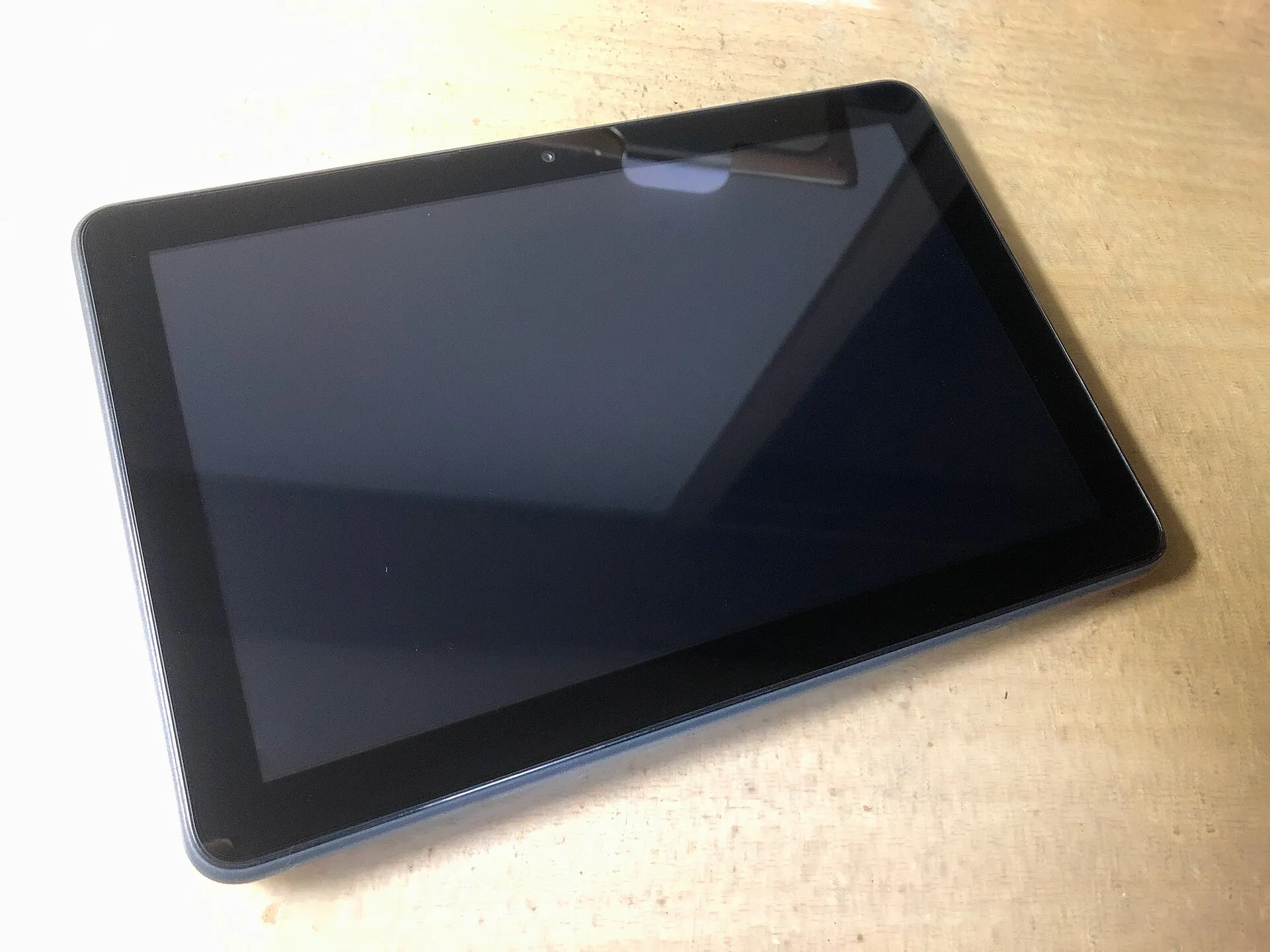
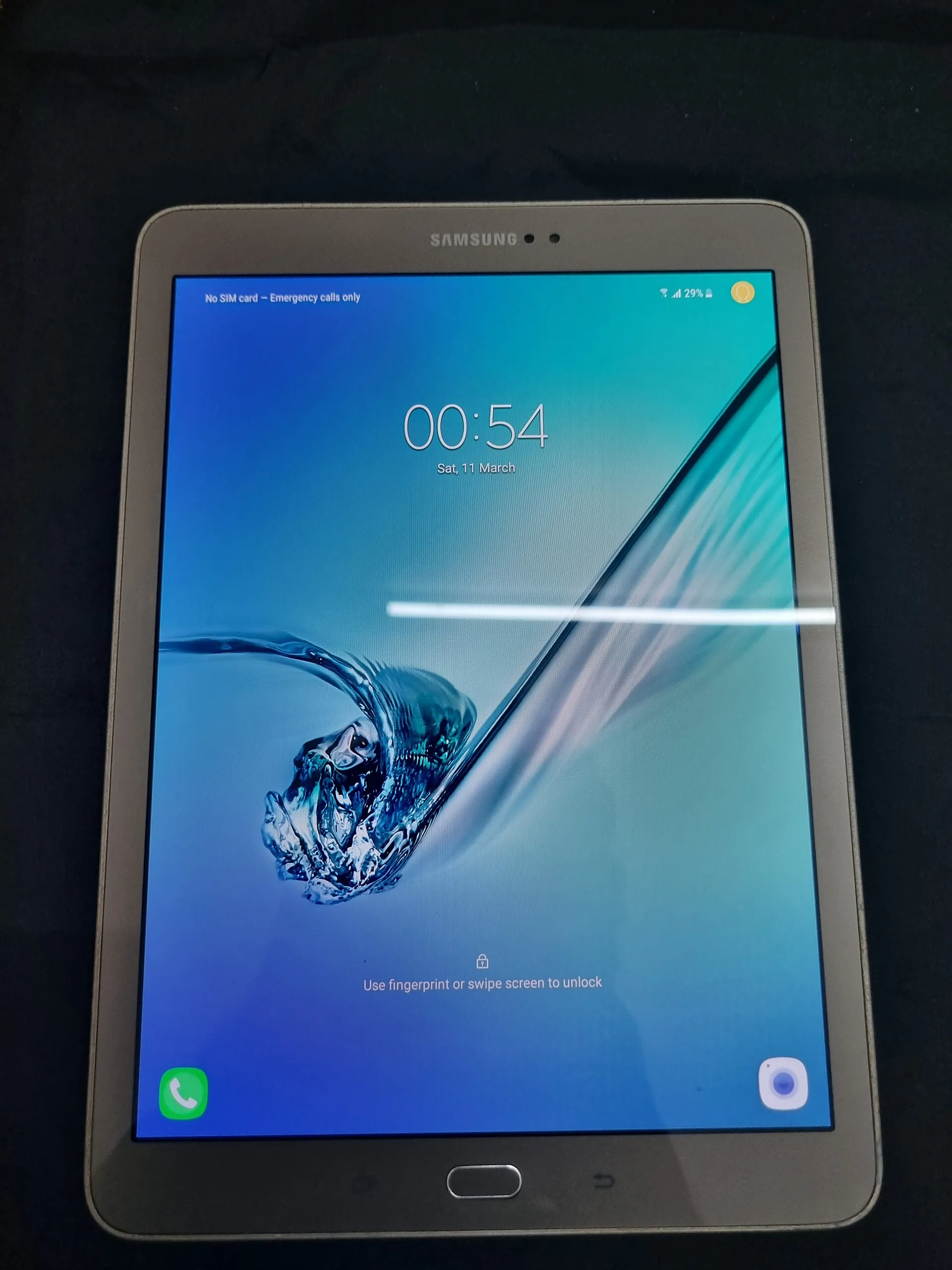
Amazon announced three tablets with Alexa+, dropped the Fire name, and for the first time shipped them with the Google Play Store instead of its own. The 12 Pro, with an anti-reflective screen, starts around $500, less than half an iPad Pro.
The Play Store is the news, and not for the reason Amazon would like.
For more than a decade the pitch was that Amazon’s own app store was enough. It was not. People bought these tablets and immediately looked for ways to put Google’s store on them, because the apps they wanted were not there. Putting Play inside is not Amazon opening up. It is Amazon conceding a fight it has been losing since 2011, and the concession is the right call.
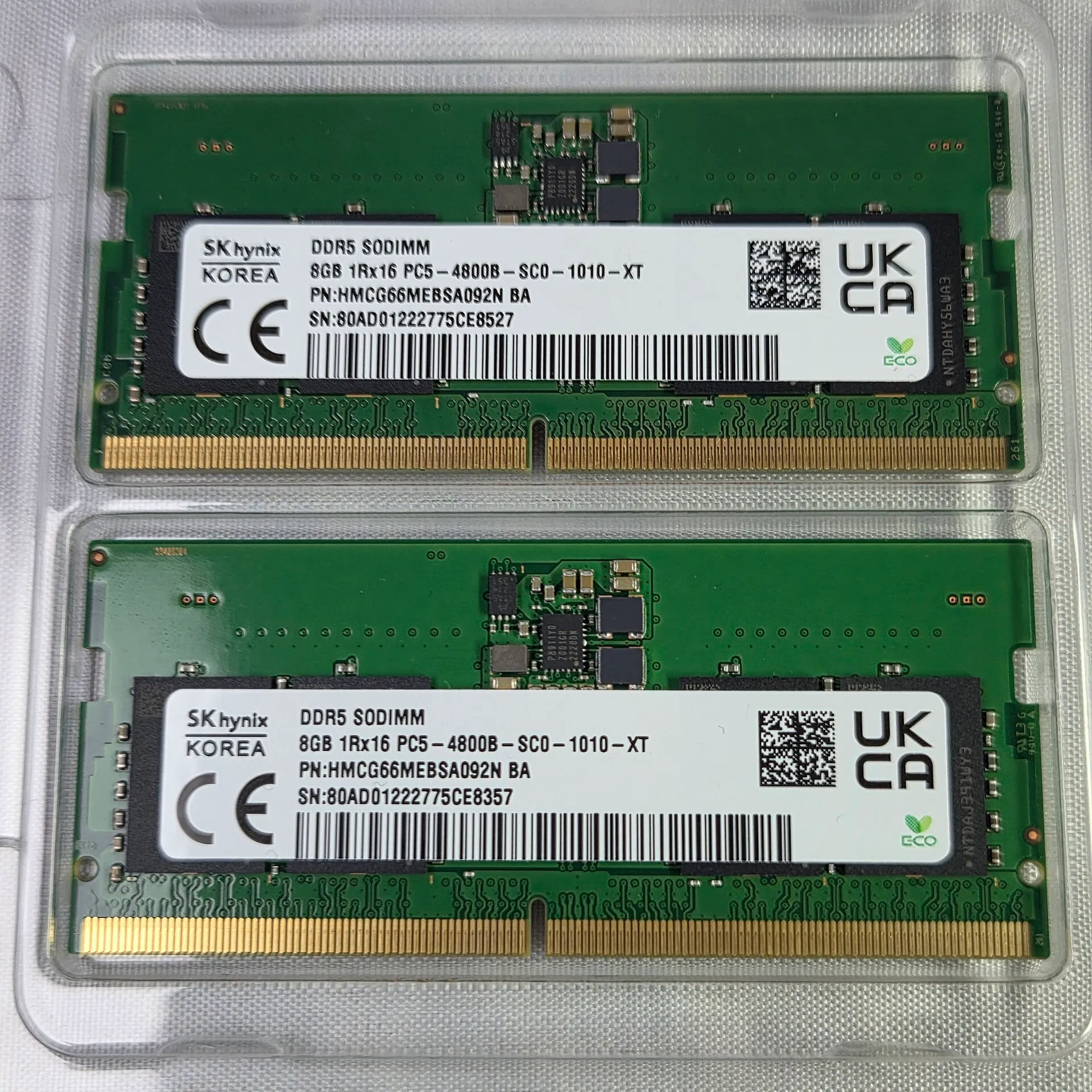
Now the part a cheap tablet lives or dies on, and it is not the processor. It is memory. A tablet with 4GB of RAM feels slow at exactly the things people buy a cheap tablet for: a dozen browser tabs, a video playing while you read, a game that was not written to be careful. Before you decide whether $500 is a saving, check what the model you are looking at actually ships with, because that number decides how it feels in two years, and spec sheets like to bury it.
For what I would use one for, a screen for reading and simple games, the gap against an iPad Pro is indefensible. You are not buying a worse iPad. You are buying a different object that happens to also be flat and have a screen.
So, do I buy it? Yes, if you check the RAM first and treat anything under 6GB as a two-year device rather than a five-year one. The Play Store removes the only reason these were hard to recommend.