Admin
Microsoft Says Windows 11 Is Faster on Low RAM PCs. About Time.
Based on reporting from Engadget
My verdict: about time, and I will believe it when people who are not Microsoft confirm it.
Microsoft says the latest Windows 11 changes make the system up to 20% more responsive. Part of that comes from memory management: Windows can now keep up to 2GB more active data in RAM instead of pushing it to slower storage, and on PCs with 8GB or less, Widgets only load when you open them, which Microsoft says frees more than 200MB. Microsoft singles out 8GB machines as the ones that should notice it most. The updates are rolling out to everyone after Insider testing.
Every one of those numbers is Microsoft’s. According to reporting on the announcement, the 20% figure comes from Microsoft timing things like Start, Search, Settings and File Explorer between two builds. Early independent tests are mixed: one 16GB laptop used about 2GB less memory, and an 8GB machine showed no change.
I will not bother testing it. I am still on Windows 10, because I think it is the best version Microsoft has released, and I am not moving until the community confirms that Windows 11 is actually better. That is the test that matters, not a percentage in a blog post. What I will say is this: in my view, Microsoft took far too long to listen to its own users.
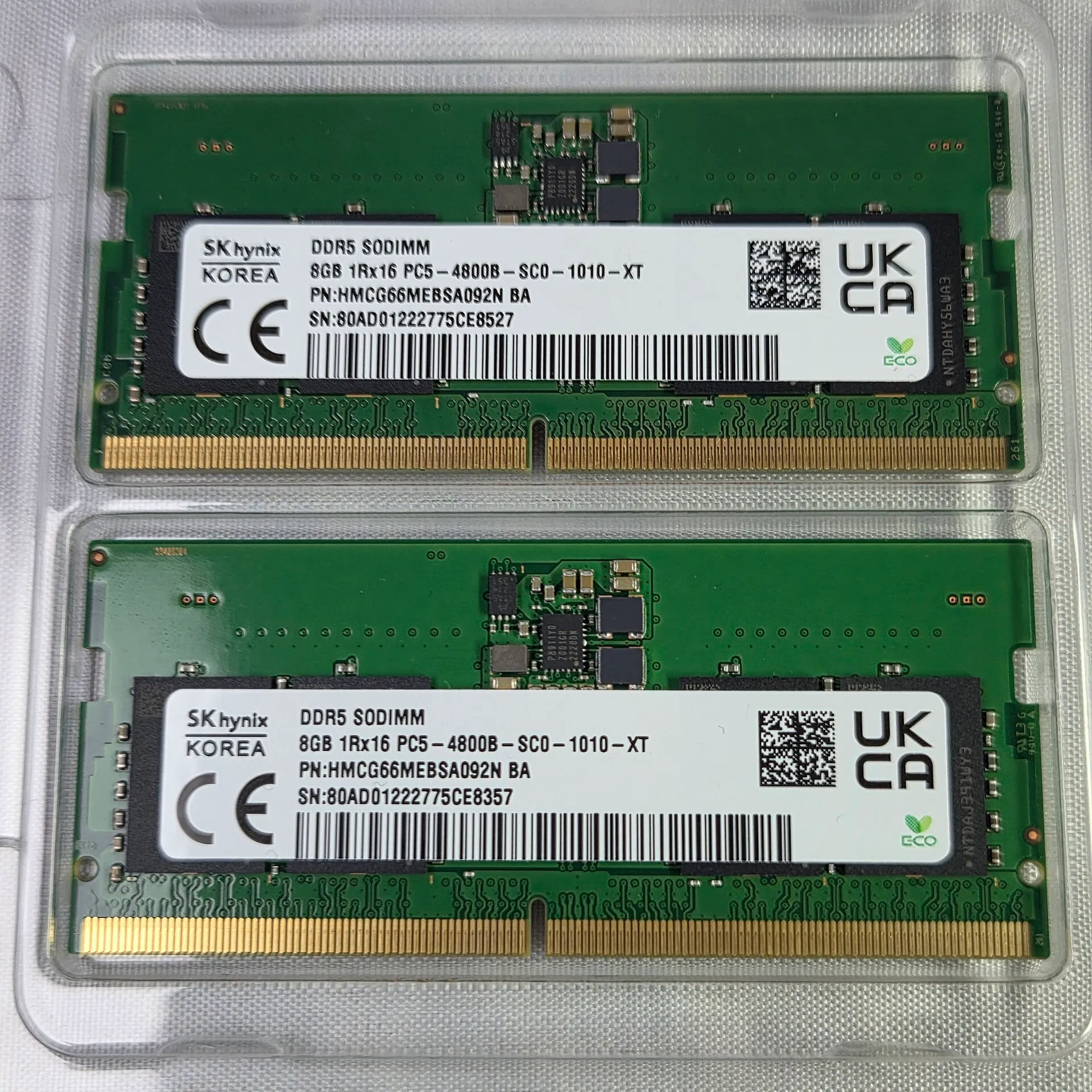
If someone asks me today whether to wait for this or buy more RAM, my answer is the same as always: hardware first. I was going to add that the RAM shortage is finally easing and prices are coming down. I checked, and I was wrong. Retail trackers show DDR5 kits still climbing this month, and TrendForce expects contract prices to rise again this quarter. So check prices before you buy. If your PC has a free slot, more RAM is still the better fix.
Read the reporting below and wait for independent tests before you decide whether this update changes anything for you.