Admin
BlackX Bootkit Shows Fully Patched Windows Can Still Be Taken Over Before Boot
Based on reporting from BleepingComputer
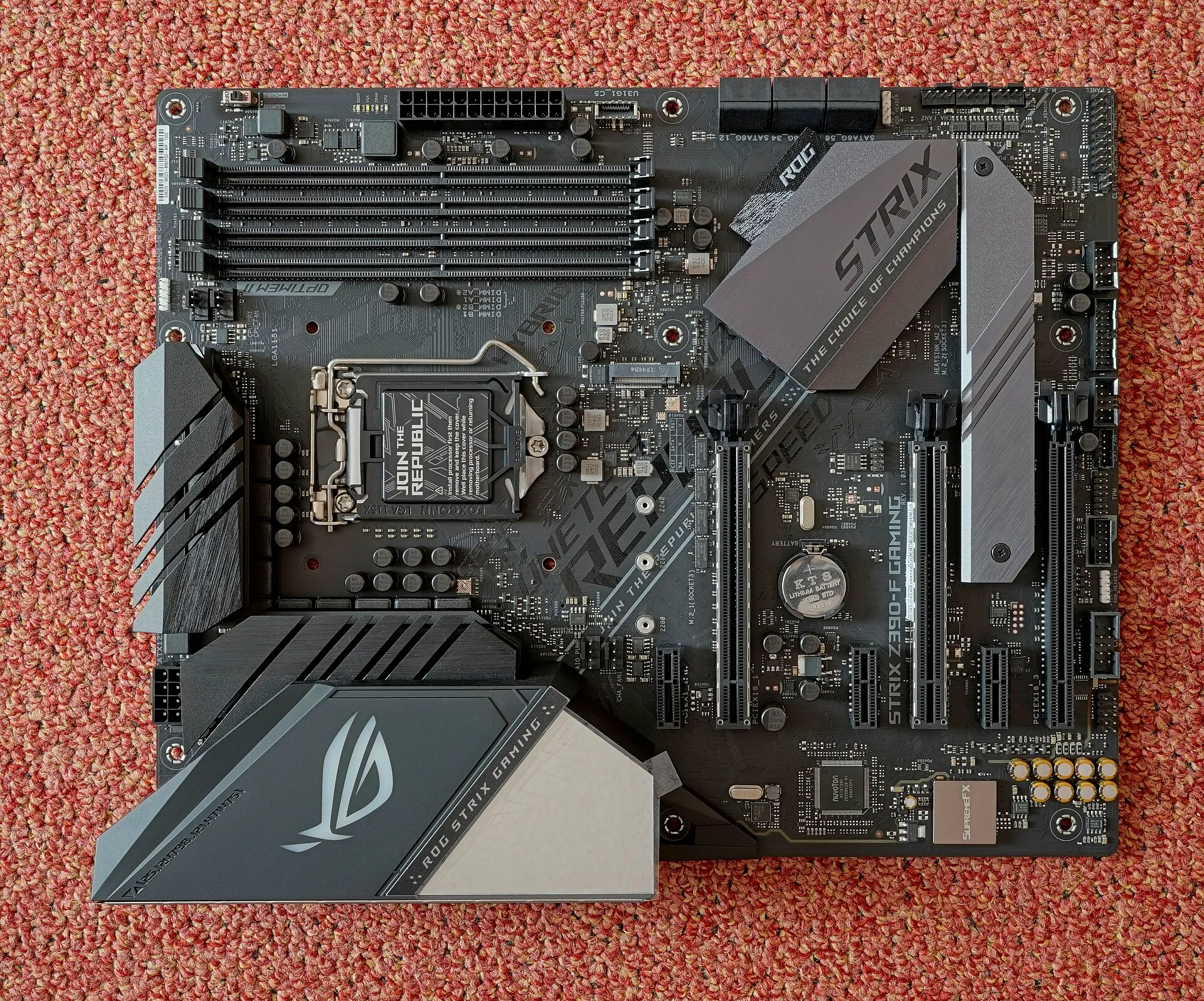
I have Secure Boot turned off, and most of the security measures on my PC are disabled. I know where I browse and what I install. That is a choice for my own machine, and I am not recommending it.
Kaspersky researchers analyzed a UEFI bootkit called BlackX, which the report attributes with medium confidence to the APT41 group. It was used in an espionage campaign against diplomatic agencies in Central Asia, in particular Tajikistan, Uzbekistan and Turkmenistan. Every victim was running a fully patched Windows.
BlackX uses CVE-2022-21894, known as Baton Drop, the same flaw the BlackLotus bootkit used to get around Secure Boot. Microsoft’s fix is designed to revoke the Windows Production PCA 2011 certificate, but that revocation does not happen automatically. An administrator has to trigger it by hand, and Kaspersky calls this a gap in the update process. Once in, the bootkit loads a kernel driver that disables security-related processes, and some of its behavior only runs when Kaspersky or Avast products are present.
The reported victims are government targets, not home users. On antivirus, my opinion is that it was always unnecessary for people who know where they browse and what they install. It can be useful for people with less knowledge of PCs. If a hacker picks you as a target, no antivirus will stop them, so I see it as protection against generic, known viruses only. This case fits that view in one respect, since the driver is built to switch off security tools.
Microsoft publishes instructions for applying the revocation. If you manage machines that use Secure Boot, confirm it has been applied instead of assuming that patching covered it.