Admin
A Nintendo Game on Sale Is News. Whether You Play It Is a Different Question
Based on reporting from The Verge
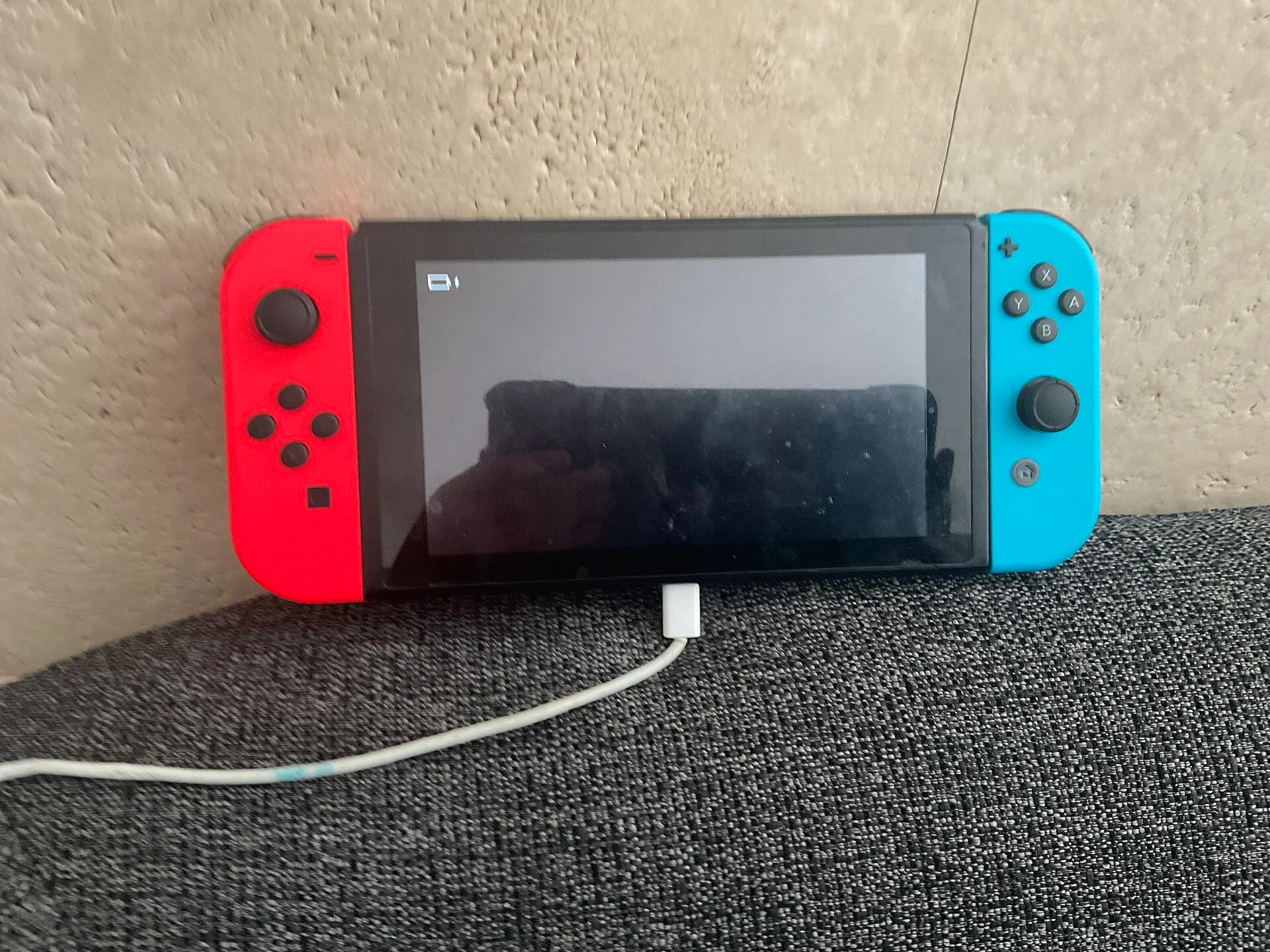
Pokémon Legends Z-A is still discounted after Prime Day technically ended. That is worth reporting for one reason: Nintendo’s own games almost never drop. You find deals on the Switch all the time, and almost never on the ones with Nintendo’s name on the box.
So the discount is real and rare. Now the part the deal post never asks.
My Steam library is full of games I bought cheap to play some day. They are still waiting. Some have been waiting for years, and in the meantime I am replaying the Metro series for the second time while I wait for Metro 2039. That is not a complaint about Steam sales. It is what sales actually do: they change what you own, not what you play.
A cheap game you do not play cost full price for nothing. A full-price game you finish was a bargain. The number on the tag is the least interesting part of the decision, and I say that as someone whose library is the evidence.
The honest test before buying anything on sale is simple and nobody likes it: name the game you are currently playing, and say when you expect to finish it. If you cannot, this is not the week to start another one, however good the price looks. If you can, and this is next, then the discount is doing its job, which is saving you money on something you were going to buy anyway.
So, do I buy it? If Pokémon is next in your queue, yes, and gladly, because Nintendo rarely gives you this chance. If it would be the thirtieth unopened game in your library, the sale is not the problem, the queue is.