Admin
Apple's New iPad Mini Splits Its Chip by Storage Tier, and Skips 120Hz
Based on reporting from 9to5Mac
Segmenting a product by hardware is nothing new, and this one is not the worst example I have seen.
Apple announced the new iPad mini on October 26. It has an 8.5-inch OLED display, up from 8.3 inches, with bezels 24 percent thinner. The body is 5.4mm thick, down from 6.3mm, and it weighs 255 grams, down from 297. It starts at $699 for the 128GB model. Preorders open on October 28 and the first orders arrive on November 6.
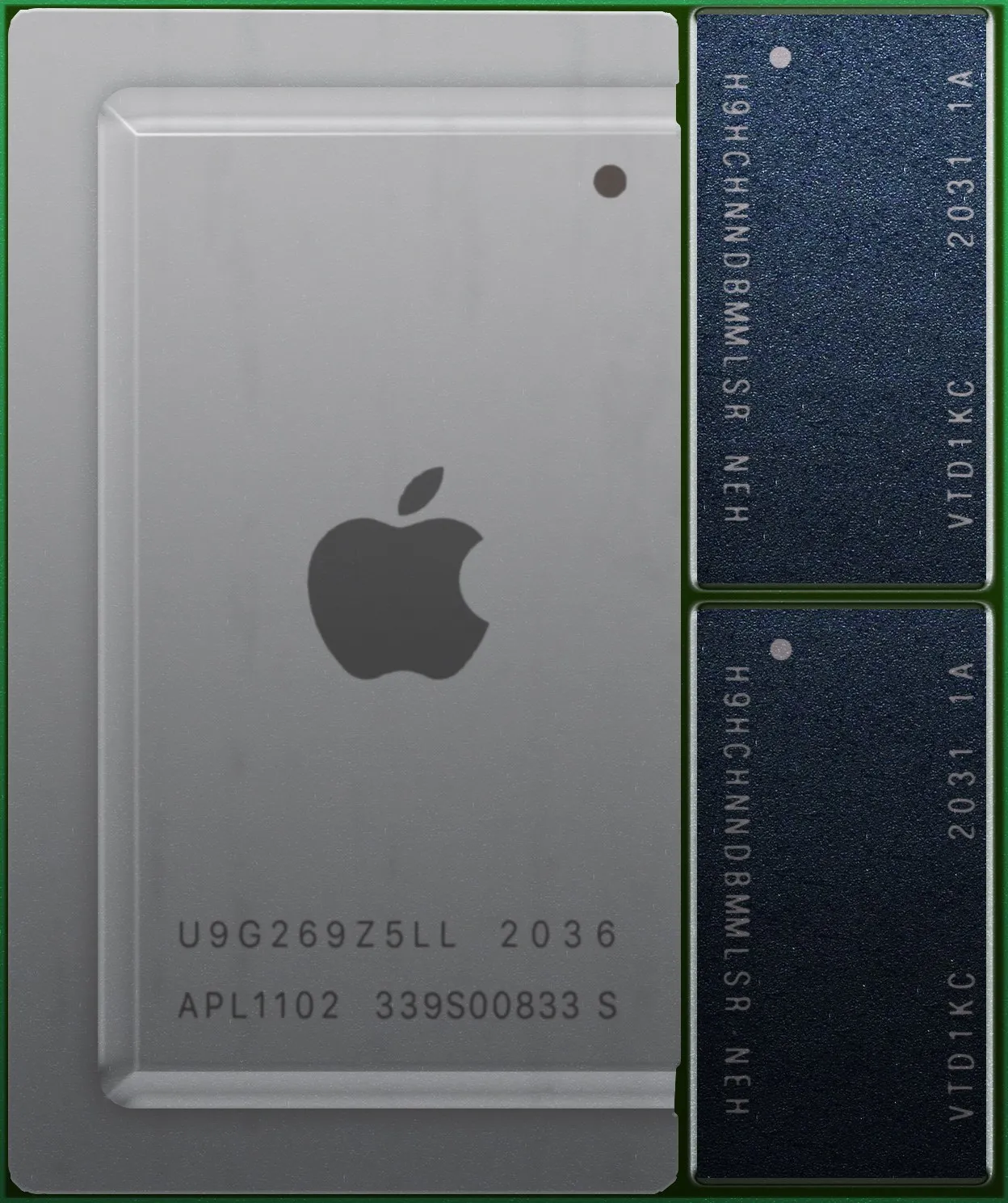
The chip is where it gets interesting. Every model has the A20 Pro, but not the same one. The 128GB and 256GB versions have a 5-core CPU and a single 16-core Neural Engine. The 512GB version has a 6-core CPU and a dual Neural Engine. All of them share a 7-core GPU.
In my view, the market has always been segmented through hardware, one way or another. If this lets Apple sell a modern product at a lower price to more people, it may not be a bad thing. What is still missing is how the cheaper tiers behave in real use, and until someone measures that, I will not call it either a smart move or a cut.
Apple’s published specs also do not mention 120Hz or ProMotion, so the screen most likely stays at 60Hz, as 9to5Mac points out. I do not care. Sixty hertz is enough for me. A 120Hz refresh rate sounds good on a spec sheet, but it is not something you notice all the time, it does not change your day, and it matters even less if you use the tablet for work.
Pricing and availability can change, so check Apple’s listing before ordering.