Admin
Vizio's Cheap Mini LED TV Will Let You Skip Its Own Smart Platform, Which Tells You Something
Based on reporting from The Verge

Vizio’s Cheap Mini LED TV Will Let You Skip Its Own Smart Platform, Which Tells You Something
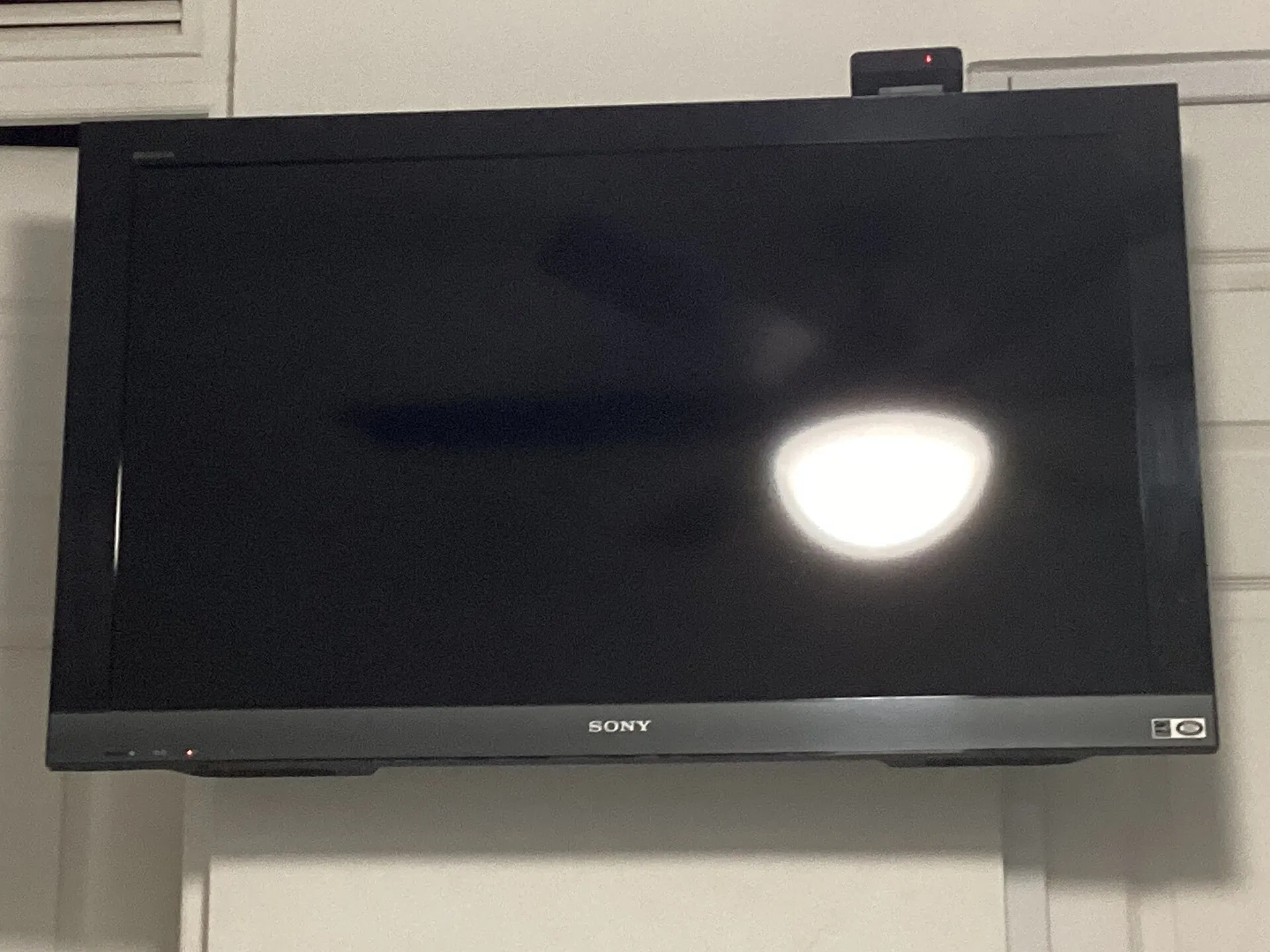
The three C’s test for a TV is capable, cheap, cool-looking, in that order. So before anything about the picture, here is the part that actually decides whether this is worth a look: Vizio’s 2026 Mini LED Quantum lineup is on sale at Walmart right now, and the 55 inch model costs $248, the 65 inch is $358 (normally $398), and the 85 inch is $698 (normally $798). That is cheap for Mini LED and quantum dots on a screen that size.
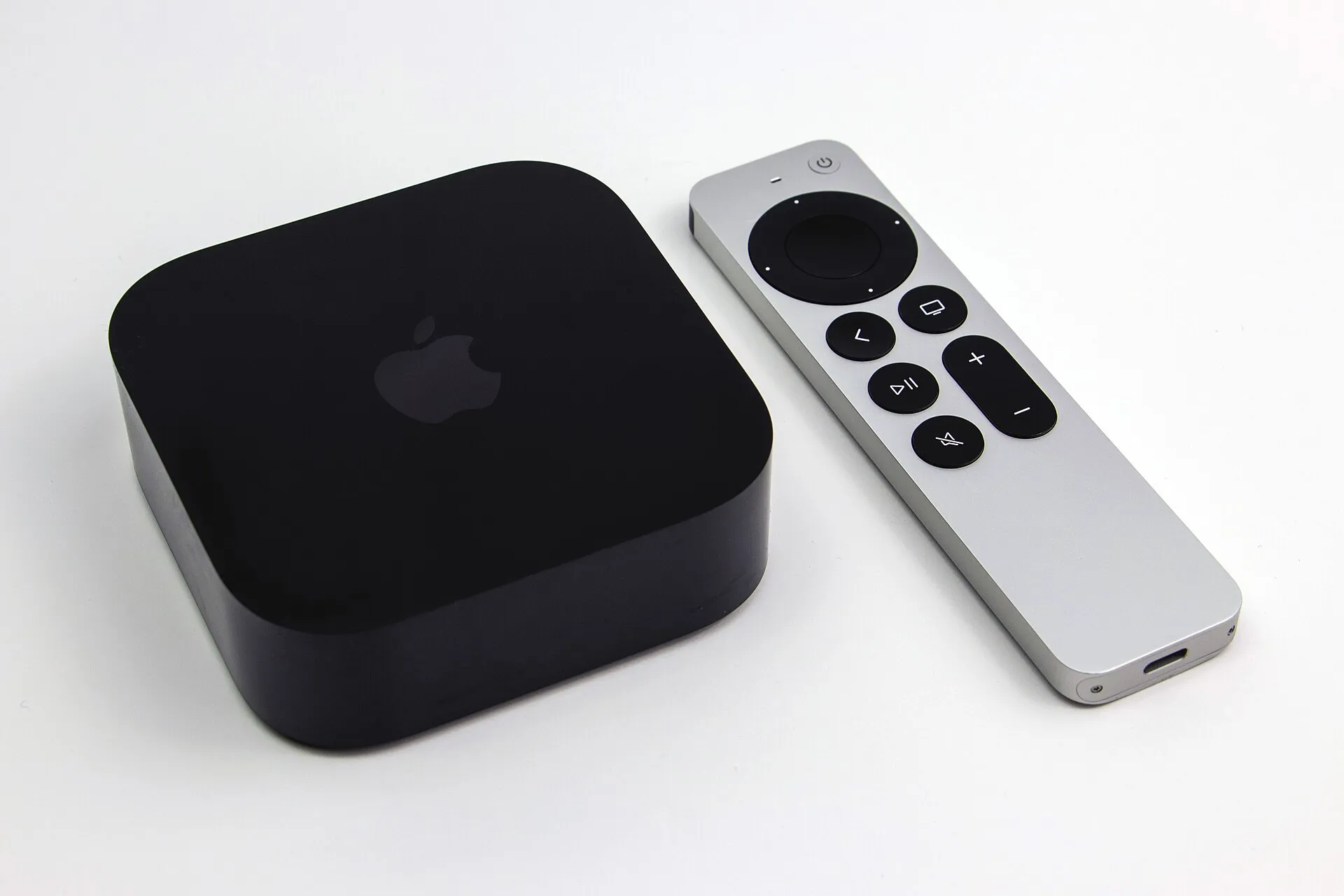
The cool-looking part is actually in the specs sheet, not the picture. These sets can be configured to skip Vizio’s own smart platform almost entirely. Choose “skip” at the Wi-Fi step during setup and the TV never installs VizioOS in the first place, according to reporting on how the system behaves. You lose Chromecast, AirPlay and HomeKit built into the panel, but you also lose the ads, the data collection, and the interface update that makes the remote worse every few months. One caveat worth knowing: older firmware has been known to switch the TV back to the smart home screen by itself if it sees no signal on an input for ten seconds, so whether this still holds on the 2026 units is something to check in the store, not take on faith from a spec sheet.
That is the whole pitch. A big, cheap panel that lets you plug in your own box and mostly leave it there. I like that on principle: the inverter they are not making you pay for is the smart platform itself, and you are the one deciding whether you want it running at all.
Here is where the three C’s get tested. Capable, on paper, yes, Mini LED and quantum dots at this price is a real spec, not a marketing word. Cheap, also yes, that part is not in question. Cool-looking is the one nobody has independently measured yet, because contrast and local dimming performance are the first things cut when a Mini LED panel gets this price. A TV can say Mini LED on the box and still look washed out in a dark scene if the backlight zones are too few or too coarse, and I have not seen a detailed review of this exact 2026 unit to tell you which way it goes.
So would I buy it? My answer on this one is conditional and I am not going to pretend otherwise: if the contrast actually holds up and the price stays where it is, yes. If the panel looks flat the way cheap Mini LED sometimes does, the smart platform you get to skip was never the problem, and 85 inches of mediocre contrast is still mediocre contrast. Check for an actual review of this 2026 lineup before you buy on the spec sheet alone, and check the price is still live when you look, because these Walmart listings move.