Admin
Anbernic Got the 3DS Screen Ratio Right, and That Is Not Why You Would Buy It
Based on reporting from Engadget
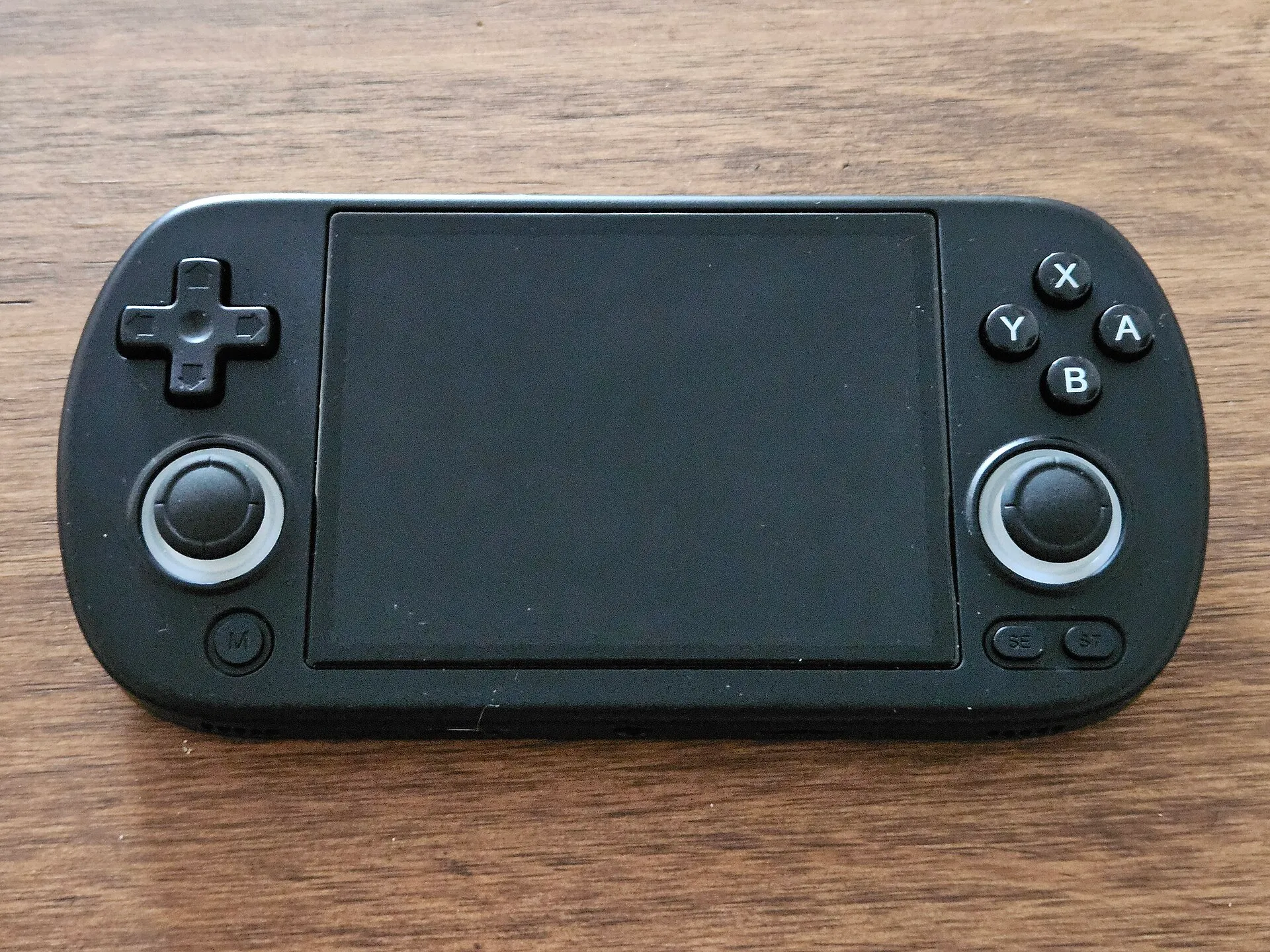
Anbernic showed the RG DDS, a clamshell handheld with a Snapdragon G2 Gen 2, a 4.7 inch main screen in 5:3 and a 4 inch lower screen in 4:3, a 6000mAh battery and controls close to the 3DS layout. The selling point is the ratio: these are the proportions 3DS games were drawn for.
Getting that right matters more than it sounds, because the alternative is stretching or letterboxing games that were designed around two specific rectangles. But I would not buy a machine for the ratio. I would buy it for the screen being bigger and clearer, which is the thing that decides whether you can play for an hour without your eyes complaining.
That is the honest hierarchy for a handheld: size and clarity first, correctness second. A perfectly proportioned small dim panel loses to a slightly off larger bright one, every time, in the only test that counts, which is whether you keep playing.
The other comparison people make is the phone you already own plus a Bluetooth controller. On paper it wins: same chip class, free. In practice a dedicated machine beats it for one boring reason. It opens and it plays. No app, no pairing, no notification, no battery you need later for getting home. A console does one thing and asks nothing of you, and that is worth a lot more than a spec sheet suggests.
So, do I buy it? If you already have a handheld, the ratio alone is not a reason to replace it. If you are buying your first one, get the biggest, brightest screen you can afford, and treat the correct ratio as a pleasant bonus rather than the headline.